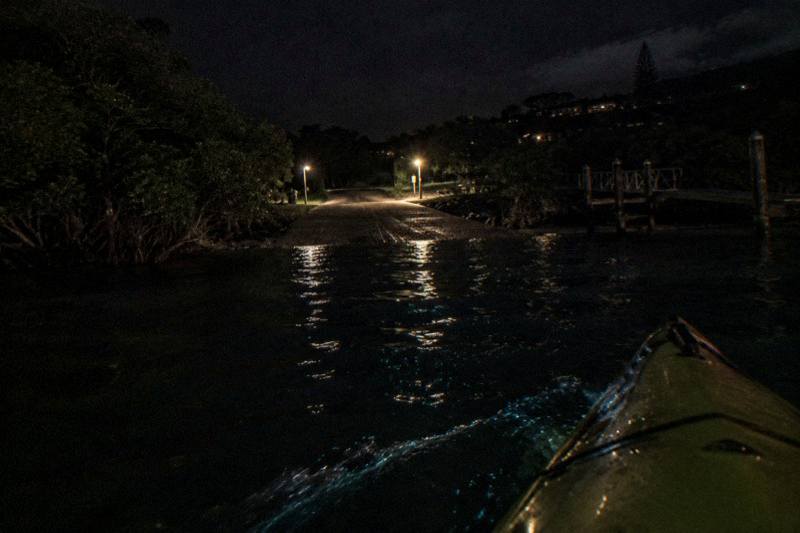
How Do You Stay Warm On A Night Kayak Tour?
On Auckland night kayak tours the kayak and safety gear are provided; each guest brings warm clothing and water shoes. Here is what the operators themselves say to bring.
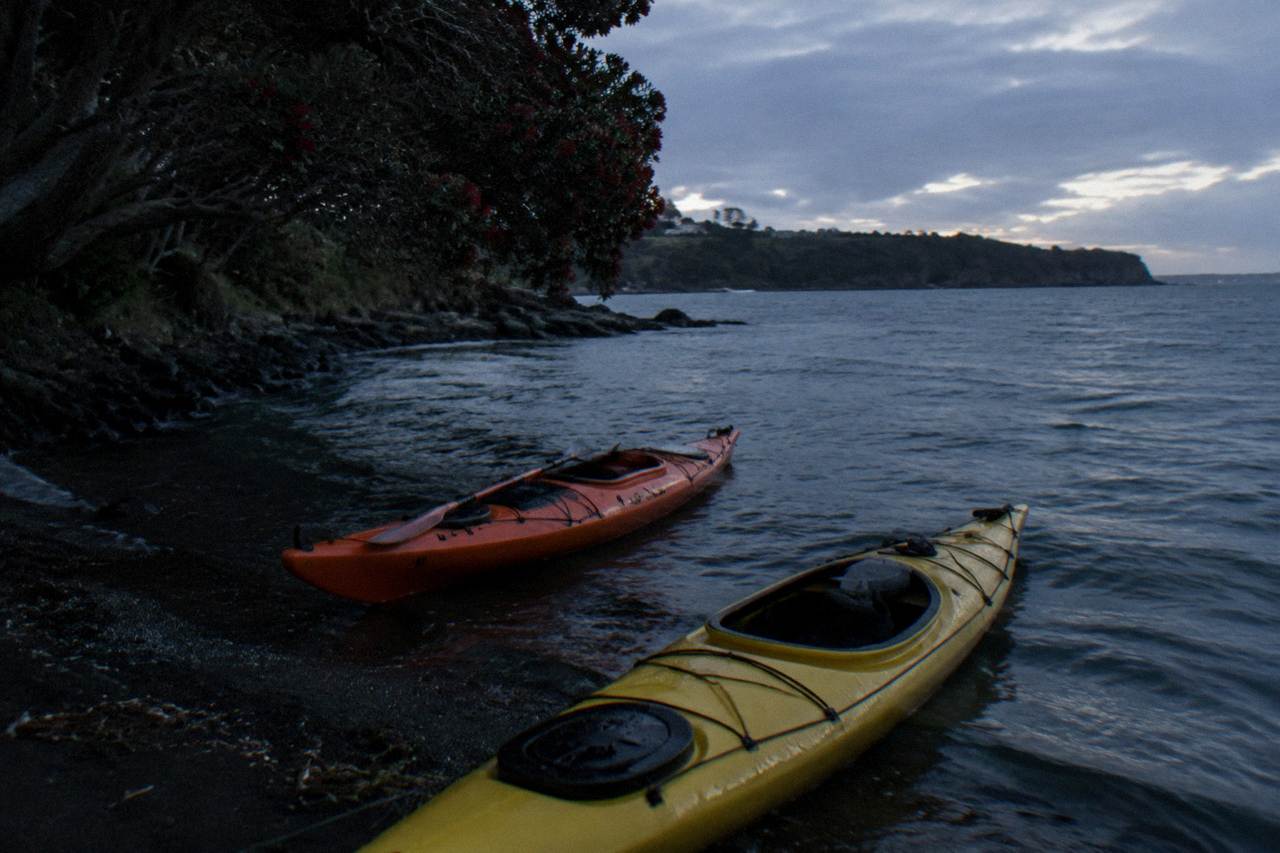
You stay warm on a night kayak tour by dressing in insulating layers under a windproof and rainproof shell, wearing a warm beanie, and packing a towel and dry clothes for afterwards. Social Nature Movement's own list asks for thin merino or thermal, a fleece, a rain jacket, a beanie and water shoes.
The core principle comes from the water, not the air. Maritime NZ guidance for paddle craft says to dress for the water temperature, because cold water shock and hypothermia can kill, and that logic governs a winter paddle on the Hauraki Gulf just as much as a midsummer one. Sea temperatures around Auckland are coolest in winter and warmest in late summer, so the same October night that carries the best operator-reported glow season can also carry water that saps heat from hands, feet and any wet sleeve.
Practically, warmth on these tours is a clothing plan plus a time-of-day plan. On 15 October 2027, for example, sunset at the Auckland CBD waterfront comes at 7:37 pm and astronomical dusk, full dark, at 9:06 pm, computed from date and location, so a glow paddle sits inside the coldest hours of the day even after a warm afternoon. A reader planning warmth is really planning three things: what sits against the skin, what blocks the wind, and what waits in the car for the moment the paddle ends.
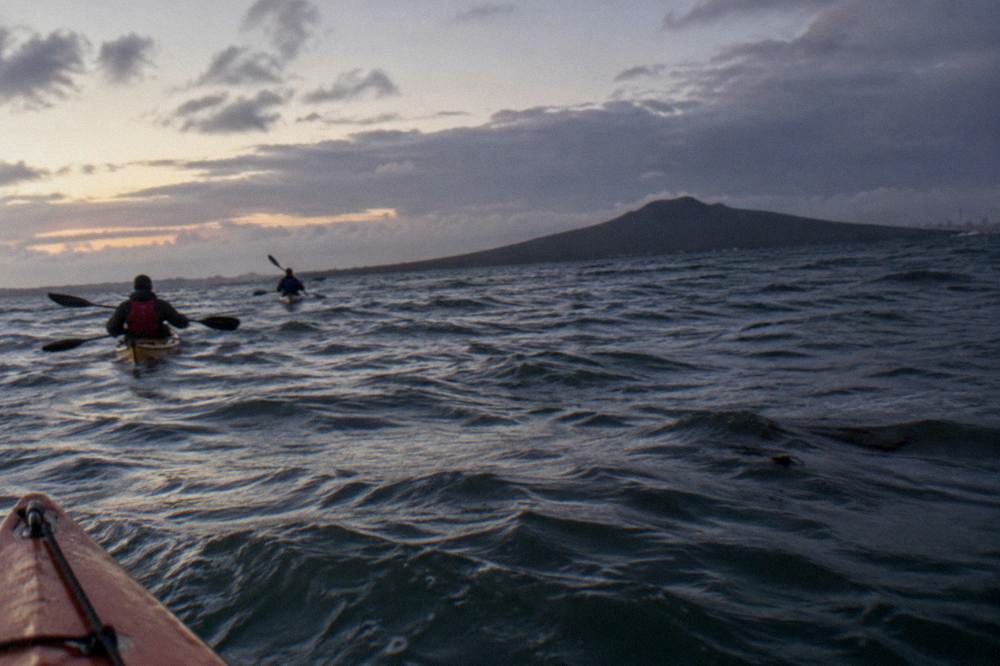
The Okura Or Waiake Start, 2 Hours tour from Social Nature Movement is a useful reference point for this article because the operator publishes a full bring list of its own. The tour runs 2 hours from Okura Boat Ramp or Waiake Beach, from $62.42 per person, rated 5.0 across 46 reviews, with free cancellation stated at least 24 hours before the start. This site tracks those operator lists in detail across its guides.
Night paddles on this site come in two shapes: the short dedicated glow tours from the North Shore, and the longer Rangitoto sunset journey that finishes in the dark. The warmth question differs between them, mainly because duration matters. Two hours of night air is one demand on your clothing system; six and a half hours that includes dinner and a return paddle is another, and the sections below treat them separately.
What Should You Wear Kayaking At Night From Okura Or Waiake?
Social Nature Movement, whose glow tours launch at Okura Boat Ramp or Waiake Beach, lists thin merino or a thermal shirt, a fleece or woollen jumper, a rain-proof jacket, a warm beanie, a towel, a torch, water shoes, personal medication and a water bottle. Canoe & Kayak Adventures reminds paddlers that kayaking is a wet sport.
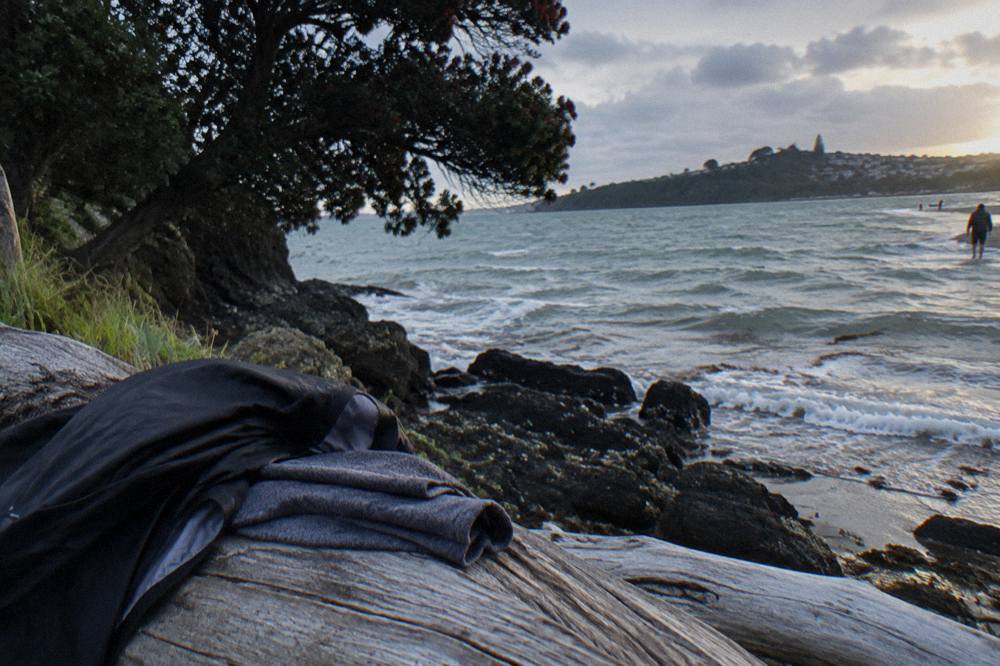
That first list is the operator's own wording and it is the most concrete clothing instruction published by any of the three operators on this site. Read it as a layering plan rather than a menu. The thermal or merino layer sits against the skin and holds warmth even when damp. The fleece or wool jumper is the insulating middle that traps air. The rain-proof jacket is the shell that does double duty: it blocks wind on the open water and it blocks spray, rain and paddle drip on the way out and back. Cotton appears nowhere on the list, and that is deliberate, because wet cotton loses its insulating value and dries slowly.
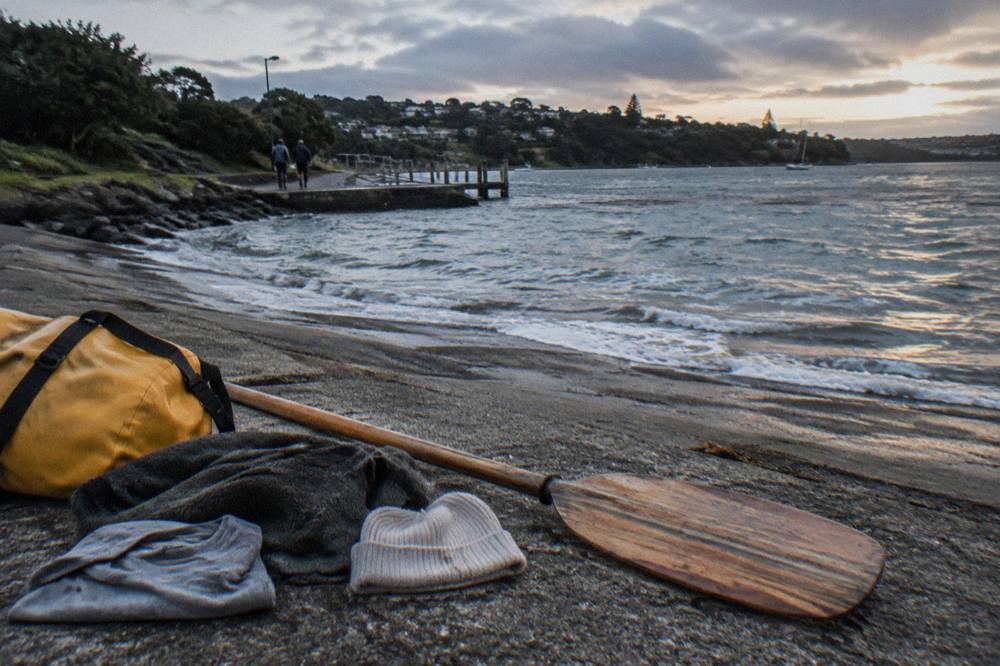
The beanie deserves its own sentence. The head and neck stay exposed the whole way, and a night paddle adds wind-chill across the face and ears the moment the kayak moves. A warm beanie is the cheapest warmth on the whole list and it is the item most often missing from a day-pack assembled in a hurry. Water shoes earn their place for a different reason: the launches at Okura and Waiake are tidal beaches, and wet feet at the start of the night are cold feet for the rest of it.
The towel and the dry spares belong in the car, not in the kayak. The plan is that the paddle ends, wet footwear comes off, dry clothes go on, and the drive home happens in warmth rather than in a damp shell. This is also where the operators differ from each other in useful ways, summarized below from what each booking page and operator page actually states.
| Operator | Own clothing or bring list | Stated extras |
|---|---|---|
| Social Nature Movement | Thermal or merino, fleece or wool, rain-proof jacket, beanie, towel, torch, water shoes, medication, water bottle | Waterproof phone case recommended for photos |
| Canoe & Kayak Adventures | Not stated | "Kayaking is a wet sport"; 1 guide to 6 guests |
| Auckland Sea Kayaks | Life jacket supplied, dry bags supplied, phone pocket on the life jacket | Waterproof case for phones and cameras encouraged, at the guest's own risk |
Auckland Sea Kayaks is the one operator that supplies dry bags and a phone pocket on the life jacket for its tours, which matters for warmth indirectly: dry spare layers stay dry. The deeper rundown of fabrics, footwear and seasons lives in the site's guide to what to wear on a night kayak tour in Auckland, which unpacks the same operator lists item by item.
How Cold Does A Night Paddle Around Auckland Actually Feel?
A night paddle feels colder than the air temperature for three stacked reasons: astronomical darkness falls up to about two hours after sunset, wind on the open water strips heat faster than still air, and sitting in a kayak keeps you nearly motionless, which slows your own heat production. Maritime NZ frames the whole question around the water, and the operators run wind and rain limits of their own.
Start with darkness, because it sets the schedule. Full dark, astronomical dusk, at the Auckland CBD waterfront comes at 9:49 pm on 15 November 2026 and 10:27 pm on 15 December 2026, computed from date and location from US Naval Observatory data. The operators set their own start times, and no tour start time can be derived from this table, but the shape is clear: a summer glow paddle is a late-evening activity, and late-evening air over the gulf is cooler than the afternoon that preceded it.
Wind and rain limits matter as much as clothing. Social Nature Movement states that its tours only proceed in calm conditions, with Waiake not operating above 5 m/s wind or 2.4 mm rain and Okura above 8 m/s or 2.4 mm rain. Auckland Sea Kayaks states that it operates within strict wind and sea limits and that the final call is often made on the day, with a move, reschedule or full refund if conditions are unsafe. These limits are the operator's own and they belong to their tours only, but together they describe the reality: nights with wind strong enough to make clothing irrelevant are nights the tours do not run.
The lifejacket layer is the one piece of the warmth system that is not clothing at all, and it recently changed. From 9 October 2026, everyone on a recreational craft six metres or less must wear a properly fitted lifejacket while the craft is underway, and Maritime NZ lists kayaks and paddleboards among the craft covered, subject to existing exceptions, with an educational approach to compliance in the coming months. On the tours here, life jackets are stated as supplied on four of the nine booking pages: both Social Nature Movement glow pages, one Rangitoto page and one City Lights page; for the rest, check the booking page.
One honest note about the shell layer and the glow itself. Social Nature Movement says photographing the bioluminescence is challenging and needs specialised camera settings, and recommends a waterproof phone case for photos. A rain jacket and a waterproof case work together here: the case protects the one item most paddlers insist on carrying, and the jacket keeps the operator's recommended layers doing their job. The flash comes from dinoflagellates, tiny marine organisms that light up when the water around them is disturbed, and the glow itself varies naturally and can never be guaranteed.
Does A Night Paddle On The Waitemata Harbour Get You Wet?
Yes, some contact with water is normal, and Canoe & Kayak Adventures says it plainly: kayaking is a wet sport. Paddle drip, spray and wet launch surfaces are routine rather than accidents, which is exactly why clothing advice for these paddles is built around layers that still insulate when damp and a shell that keeps them dry. No tour here includes swimming.
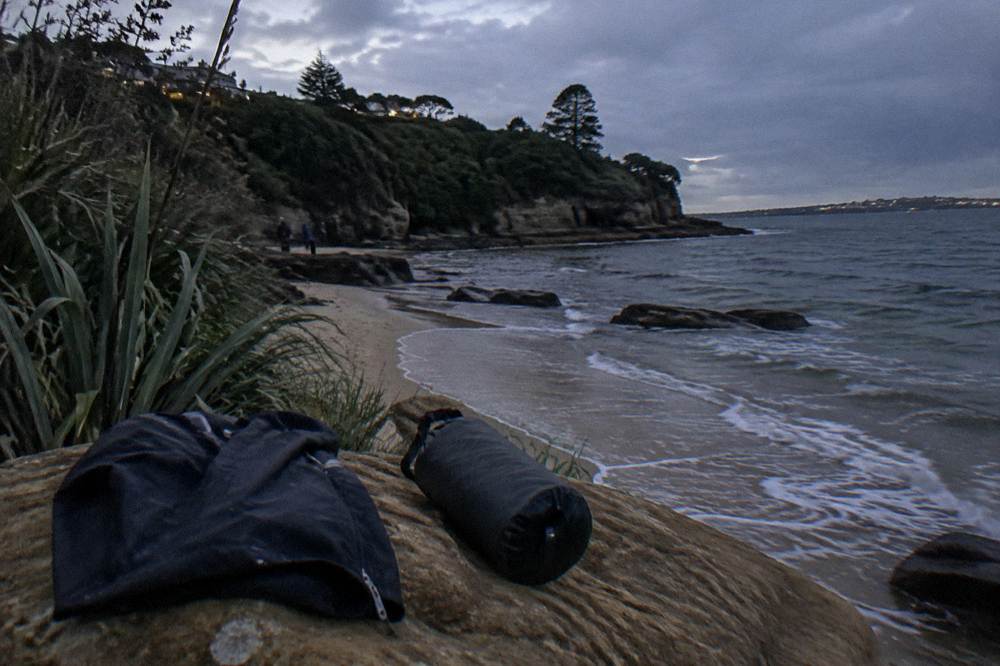
The wet points arrive early and predictably. Feet get wet at the launch, whether that is the tidal beach at Okura or Waiake, the North Shore spot that Canoe & Kayak Adventures emails before 10 AM on the day, or the boat ramps at Westhaven Marina and St Heliers Bay that Auckland Sea Kayaks uses. Seat edges and sleeves collect paddle drip through the trip. None of this is a capsize. Swimming ability is a separate question, and the site answers it in its own piece on whether you need to swim to join a night kayak tour. It is ordinary surface water doing what surface water does.
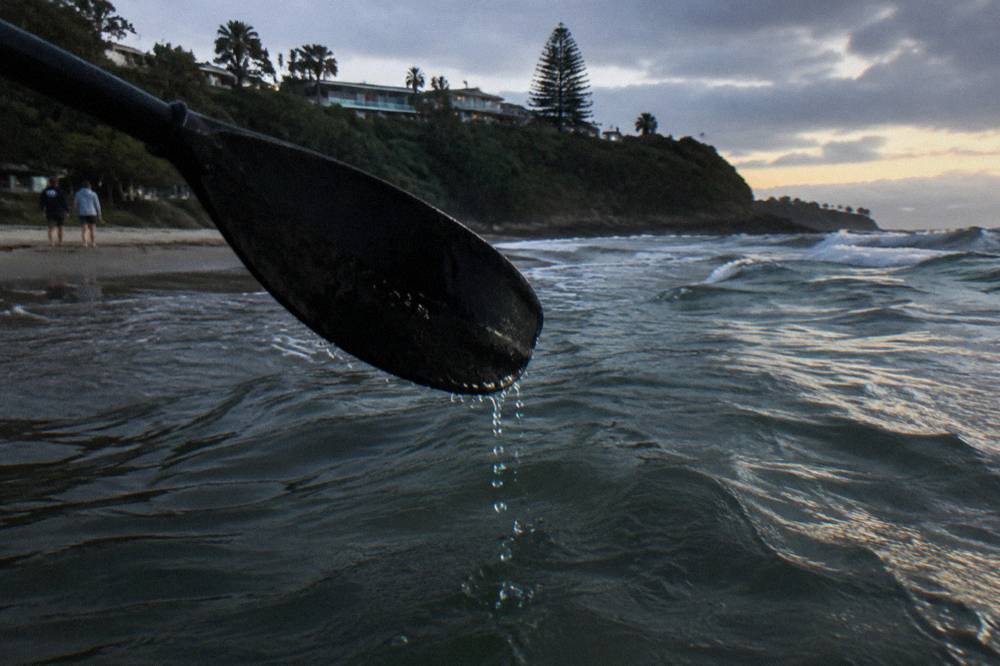
Merino and thermal fabrics hold warmth when damp. Fleece and wool keep insulating when the shell fails or spray finds a gap. A rain-proof jacket is the barrier that turns paddle drip from a soaking into a nuisance. Canoe & Kayak Adventures adds a fitness framing that echoes the wet reality: paddlers should be able to walk nonstop for 30 minutes and sit on the ground and get up unaided, because the sport involves being low, stable and occasionally damp for sustained stretches.
For its part, the Canoe & Kayak glow tour, the North Shore Start, 2 Hours trip sold from $67.52 per person and rated 4.1 across 207 reviews, includes kayaks, safety equipment and tuition from experienced qualified guides, with a 1 guide to 6 guest ratio and a free repeat tour if the guide confirms no bioluminescence was seen. The repeat offer is the operator's wording and it is about the glow, not the weather, but it shows the operator planning nights around conditions rather than running whatever the sky delivers.
After the water question comes the hands and feet question. Fingers on a cold paddle shaft and toes in damp shoes are where discomfort concentrates on a dark harbour, and the operator lists answer both: water shoes for the feet, and for the hands nothing specialised at all, just the insulating layers and the shell doing their work. A spare pair of socks left in the car ranks alongside the towel as the cheapest comfort upgrade of the whole night.
What Gear Do Auckland Night Kayak Operators Provide?
Social Nature Movement provides kayak, paddle and a personal flotation device with a safety light. Canoe & Kayak Adventures provides kayaks, safety equipment and tuition. Auckland Sea Kayaks provides life jackets, dry bags, a phone pocket on the life jacket, and an all-round white navigation light on each kayak for its harbour tours. Warm clothing itself comes from the paddler, not the operator.
None of that supplied gear is warmth gear in the clothing sense, and that is the honest summary. The equipment the operators issue is safety and buoyancy equipment: lifejackets, lights, boats, paddles. The insulating layers, the shell, the beanie, the towel and the dry spares are the paddler's own. On the lifejacket point specifically, the site's night kayak safety guide walks through what Maritime NZ requires and what each operator adds on top.
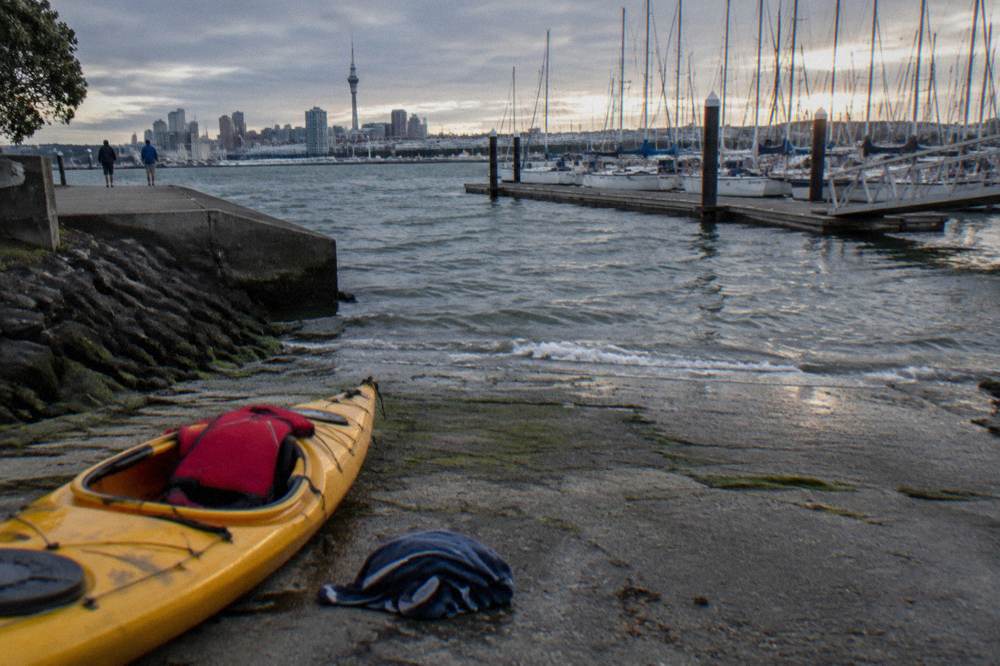
The lights are worth understanding correctly, because misinformation travels around this subject. The only light facts on this site are these: Social Nature Movement issues a personal flotation device with a safety light and says all participants wear lights and reflective gear; Auckland Sea Kayaks fits an all-round white navigation light at the rear of each kayak on its tours, with guides carrying marine VHF radios and first aid.
Two practical packing notes round this out. First, Canoe & Kayak Adventures asks paddlers over 120 kg to tell the operator ahead, and its booking page twin states a 120 kg limit on one page; the same courtesy of advance information applies to medication, which Social Nature Movement lists among its bring items. Second, a dry bag is supplied only on Auckland Sea Kayaks tours, so paddlers on the other operators' tours who want a phone on the water should plan their own waterproofing, which for bioluminescence photography is specialised territory of its own.
Is A Longer Sunset Tour Colder Than A Short Glow Paddle?
Generally yes, by duration alone. The short glow paddles run 1.5 to 2 hours, while the Rangitoto sunset journeys run 6 hours 30 minutes to 7 hours and finish after dark with a paddle home beneath the night sky. Longer exposure to night air and spray means the layering plan matters more, and dinner stops only warm you while they last.
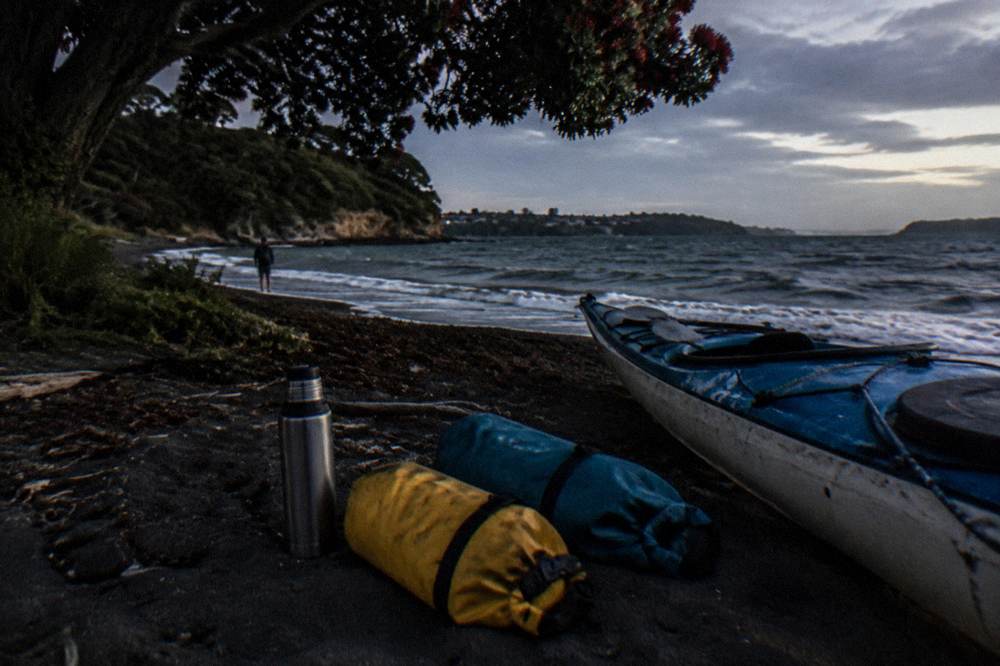
The duration gap is the whole argument. Social Nature Movement's glow tour and Canoe & Kayak Adventures' glow tour both run about 2 hours. Auckland Sea Kayaks' St Heliers Start, Rangitoto BBQ tour runs 6 hours 30 minutes, from $139.02 per person, rated 4.9 across 179 reviews, departing from 384 Tamaki Drive at St Heliers Bay with a BBQ dinner and a hot drink, returning after dark. Its booking page twin, the 7 hour version, states the paddle home in direct terms: kayak back across the Waitemata Harbour beneath the stars. The tour category matters too: this is a sunset to night harbour journey, and the operator says bioluminescence is only "sometimes" seen on it, typically October to April, and can never be guaranteed.
For a trip of that length, the warmth plan scales in three ways. More time on the water means more accumulated spray and more hours with the shell doing real work. The dinner stop is a genuine warm interval, and eating hot food in the middle of a long paddle is worth planning around rather than treating as an afterthought. And the finish, a return leg in full darkness, is the coldest single stretch of the whole outing, which is why the dry spares in the car matter more after seven hours than after two. The operator's pre-booked free shuttle from the Auckland War Memorial Museum, with limited seats, is a transport fact rather than a warmth fact, but it removes the cold end-of-night drive question for anyone staying central.
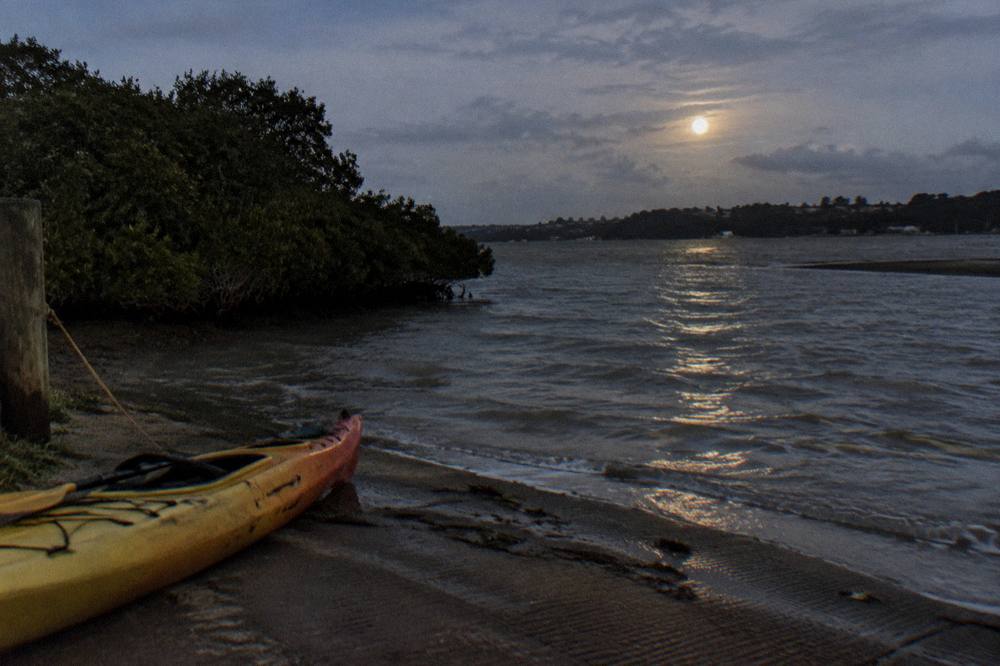
There is a final planning point that ties the whole article together: the calendar. The operators' own season statements, peak season October to April for Social Nature Movement's tours and November to April for Canoe & Kayak Adventures', each belong to their own tours only, and they say nothing about warmth on their own. What they do imply is that most glow paddles happen in the months when late-evening darkness and mild water overlap, which is the combination a layering plan is built for. Moon phases, new moon dates and dark-night planning are covered in the site's guide to moon phase and a bioluminescence kayak tour, and none of those dates is a sighting promise.
For a quick side-by-side of the two trip shapes, the table below holds the figures that matter for planning warmth around duration.
| Tour | Operator | Duration | From, per person | Food or drink on the booking page |
|---|---|---|---|---|
| Okura Or Waiake Start, 2 Hours | Social Nature Movement | 2 hours | $62.42 | Check the booking page |
| North Shore Start, 2 Hours | Canoe & Kayak Adventures | 2 hours | $67.52 | Check the booking page |
| St Heliers Start, Rangitoto BBQ | Auckland Sea Kayaks | 6 hours 30 minutes | $139.02 | BBQ dinner and hot drink |
Every one of the nine tours covered here states a full refund when cancelled at least 24 hours before the start, in booking-page wording, so a cold snap that changes the plan is a reschedule rather than a loss. Deciding between the operators on price, duration and reviews, rather than warmth alone, is where the site's comparison of Auckland bioluminescence kayak tours does the detailed work.
Common Questions About Staying Warm On A Night Kayak Tour
How Do You Stay Warm On A Night Kayak Tour?
Layers under a shell: a thin merino or thermal base, a fleece or woollen middle layer, a rain-proof jacket, a warm beanie and water shoes, with a towel and dry clothes waiting in the car. That is Social Nature Movement's own bring list, and the other operators' advice points the same direction.
Do Any Auckland Night Kayak Tours Supply Warm Clothing?
No. Operators supply kayaks, paddles and safety gear, with lifejackets stated on four tours and lights only where stated; Auckland Sea Kayaks also supplies dry bags and a phone pocket on its life jackets.
Should You Wear A Wetsuit On A Night Kayak Tour?
No operator here asks for one, lists one, or supplies one. Their published lists ask for thermal layers, a fleece, a rain-proof jacket, a beanie and water shoes instead.
Will You Get Wet On A Bioluminescence Kayak Tour?
Probably a little. Paddle drip, spray and wet launch surfaces are routine, which is why Canoe & Kayak Adventures calls kayaking a wet sport. The clothing plan assumes damp layers, not dry ones.
Is A Two Hour Glow Paddle Warm Enough With Just A Jacket?
A rain-proof jacket alone is not the plan. It is the shell over a thermal base and a fleece; worn on its own it traps no insulating air, and the operator's list treats the three layers as one system.
Should You Dress For The Water Temperature Or The Air Temperature?
The water, not the air. Maritime NZ guidance for paddle craft says to dress for the water temperature because cold water shock and hypothermia can kill, and that logic governs a midsummer paddle on the Hauraki Gulf as much as a winter one. Sea temperatures around Auckland are coolest in winter and warmest in late summer. A night inside the operator-reported glow season can still carry water that saps heat from hands, feet and any wet sleeve.