Bioluminescence Auckland: Where To See The Glow From A Kayak
The guided bioluminescence kayak trips in Auckland launch from a handful of specific North Shore spots, Okura Boat Ramp, Waiake Beach and a location emailed on the day, while the harbour and island evenings make no glow promise at all. Here is what each launch offers, what it costs, and what the operators themselves say about the glow.
Short answer
Dedicated glow tours in Auckland run from Okura Boat Ramp or Waiake Beach with Social Nature Movement, from a North Shore spot emailed on the day with Canoe & Kayak Adventures, from $53 per person. The glow comes from dinoflagellates such as Noctiluca scintillans; Canoe & Kayak Adventures says it can never be guaranteed, Social Nature Movement says it varies naturally.
Where Does The Glow Around Auckland Actually Come From?
The light on Auckland nights comes mostly from dinoflagellates, single-celled organisms that flash blue-green when the water around them is disturbed, and the guided kayak is the practical way a visitor reaches the dark water where those flashes are visible. The science is well documented, the locations are specific, and no operator or agency promises a sighting on any given night.
The organism most often behind the surface glow in New Zealand waters is Noctiluca scintillans, a dinoflagellate that Earth Sciences New Zealand, formerly NIWA, described as "a harmless, non-photosynthetic dinoflagellate species of alga" when it bloomed in the Hauraki Gulf in October 2002. By day a dense bloom can tint the surface pink or red. At night the cells phosphoresce when disturbed, which is what turns a paddle stroke into a trail of light. The voyages that documented the mechanism were off the Chatham Rise, so the nicknames "Sea Ghost" and "Fire of Sea" describe the organism, not any particular Auckland sighting.
Wikipedia summarises the mechanics this way: Noctiluca scintillans is single-celled, 400 to 1500 micrometres across, drifts with the current, and produces light through mechanical stimulation, with a flash lasting about 80 milliseconds. It accumulates at the surface when the sea is calm, which is why the operators care so much about weather limits. More generally, dinoflagellate bioluminescence is mostly blue-green, is triggered by mechanical disturbance such as a boat, a swimmer or waves, is controlled by a circadian clock, and occurs only at night. The leading hypothesis for why the cells flash at all is the "burglar alarm" idea: the flash may draw attention to whatever is disturbing them.
Auckland Council environmental scientist Dr Megan Carbines, quoted by Local Matters in December 2021, put the local picture plainly: Noctiluca scintillans "is a non-toxic dinoflagellate, which often forms bright blooms around the coast in summer. When disturbed, it also emits a burst of light, often seen when swimmers or boats move through the water at night." She also noted that rising water temperature "is conducive to these sorts of blooms if combined with calm conditions allowing them to accumulate." The newspaper itself, not the council, describes Mahurangi and the Hibiscus Coast as having "long been known as bioluminescence hotspots"; that is Local Matters' characterisation, and this article does not rank any bay above another.
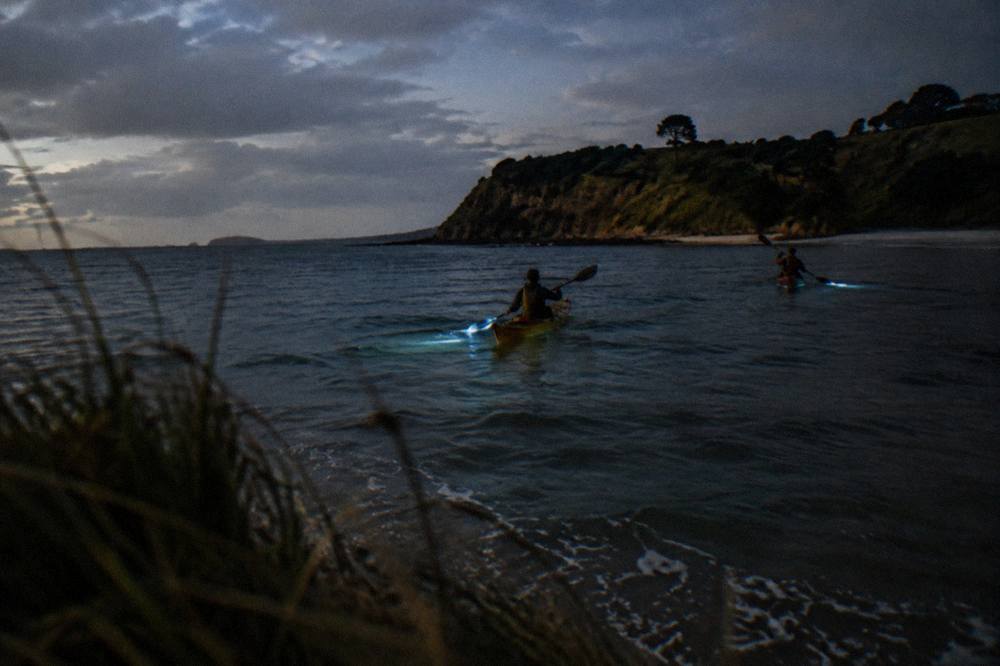
For a visitor, the honest chain of logic runs like this. The organisms bloom in calm, warming conditions and show best in darkness, when a paddle stirs the water. A guided kayak tour supplies all three in one package: a launch point the operator has chosen for the night, a paddle that stirs the surface, and hours timed for after dark. That is the reason the guided paddle, rather than a viewpoint on shore, is how the Auckland tours reach the glow. The basics of what one of these trips involves are covered in the guide to what a bioluminescence kayak tour actually is.
Can You See Bioluminescence On The Waitemata Harbour Or Around The Islands?
No tour on the Waitemata Harbour or around Rangitoto promises bioluminescence. Auckland Sea Kayaks says only that the glow is "sometimes" seen on its sunset tour, "typically October to April", and can never be guaranteed, and its City Lights paddles make no bioluminescence claim at all. The harbour evenings are bought for the skyline, the dinner and the night sky, not for the glow.
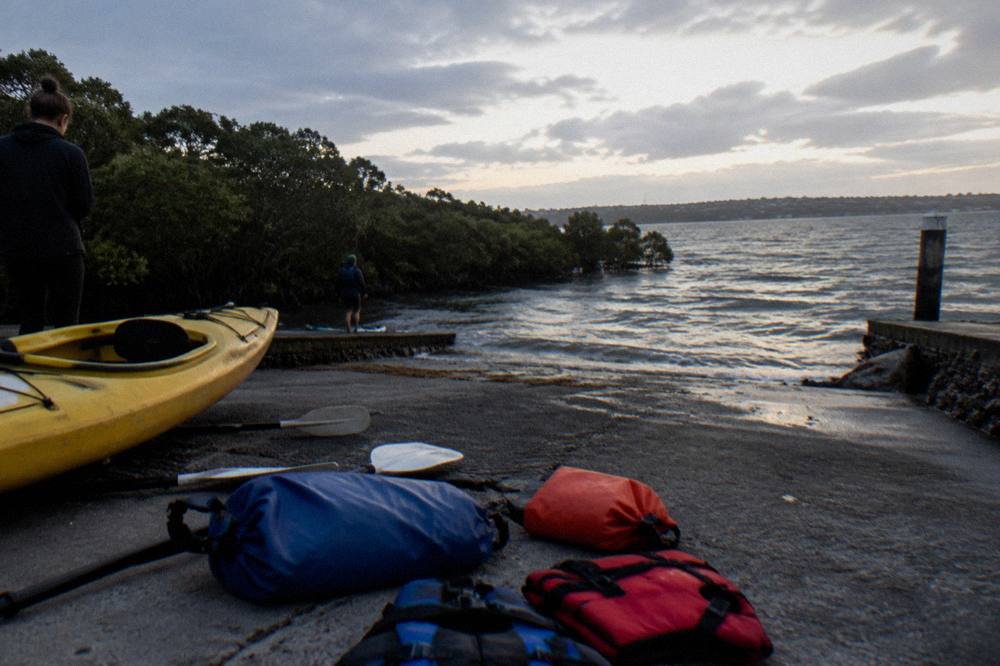
The city and island paddles are still night experiences, and they are the ones that leave from the waterfront. Auckland Sea Kayaks has operated since 2010 as an audited certified adventure activity operator, and its evening trips split into two families. The City Lights tours depart from the boat ramp at Westhaven Marina, Z Pier, and paddle the sheltered Waitemata Harbour under the city skyline. The Rangitoto trips depart from the operator base at St Heliers Bay, 384 Tamaki Drive, cross to the island for a BBQ dinner, and paddle home after dark. On the seven hour version the booking page states guests "paddle back across the Waitemata Harbour beneath the stars", which is a night-sky claim, not a glow claim.
The only bioluminescence wording attached to any of these trips is narrow. Auckland Sea Kayaks says bioluminescence is "sometimes" seen on its sunset tour, "typically October to April", and can never be guaranteed. That line belongs to the sunset tour only. The City Lights booking pages make no bioluminescence promise, so a reader choosing Westhaven for the glow alone is choosing the wrong product. The distinction between a night paddle and a glow paddle is unpacked in night kayak versus bioluminescence kayak tour.
Three trips span the real choice. The Canoe & Kayak Adventures glow tour is a dedicated two hour bioluminescence paddle from $67.52. The Social Nature Movement glow paddle is the most reviewed trip of this kind, 4.9 across 329 reviews, from $53. The Rangitoto sunset tours, from $116, are the dinner island trips whose glow line is the "sometimes" one. Different products, different promises, different launch points.
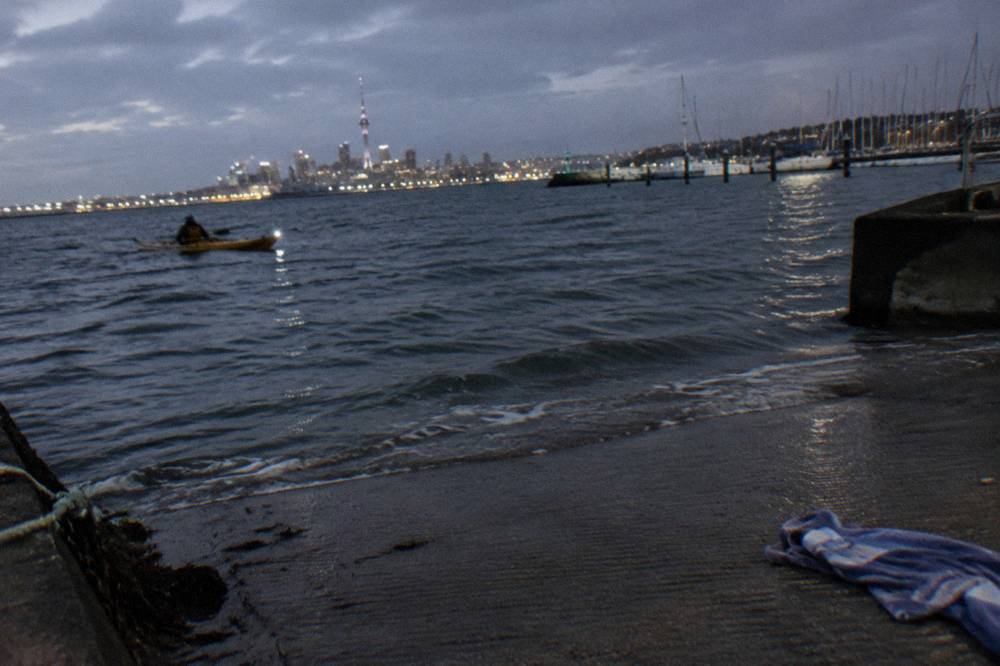
The City Lights tours are worth their own look, two evening paddles that trade glow for the Auckland skyline lit up over the water. The two hour City Lights tour from $73 is rated 5.0 across 15 reviews, and the 2.5 hour version from $82.27 carries snacks and is rated 4.8 across 28 reviews. Both include a guide, kayak and paddle, and every kayak on Auckland Sea Kayaks' evening paddles carries an all-round white navigation light at the rear, with guides carrying marine VHF radios and first aid. Those lights are part of what makes a guided harbour paddle at night workable for a visitor who has never held a paddle after dark.
Where Do The Dedicated Glow Tours Launch On The North Shore?
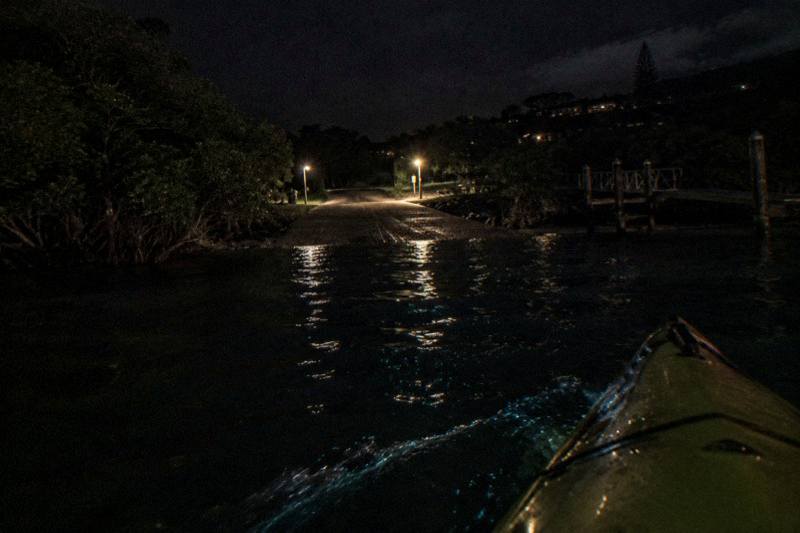
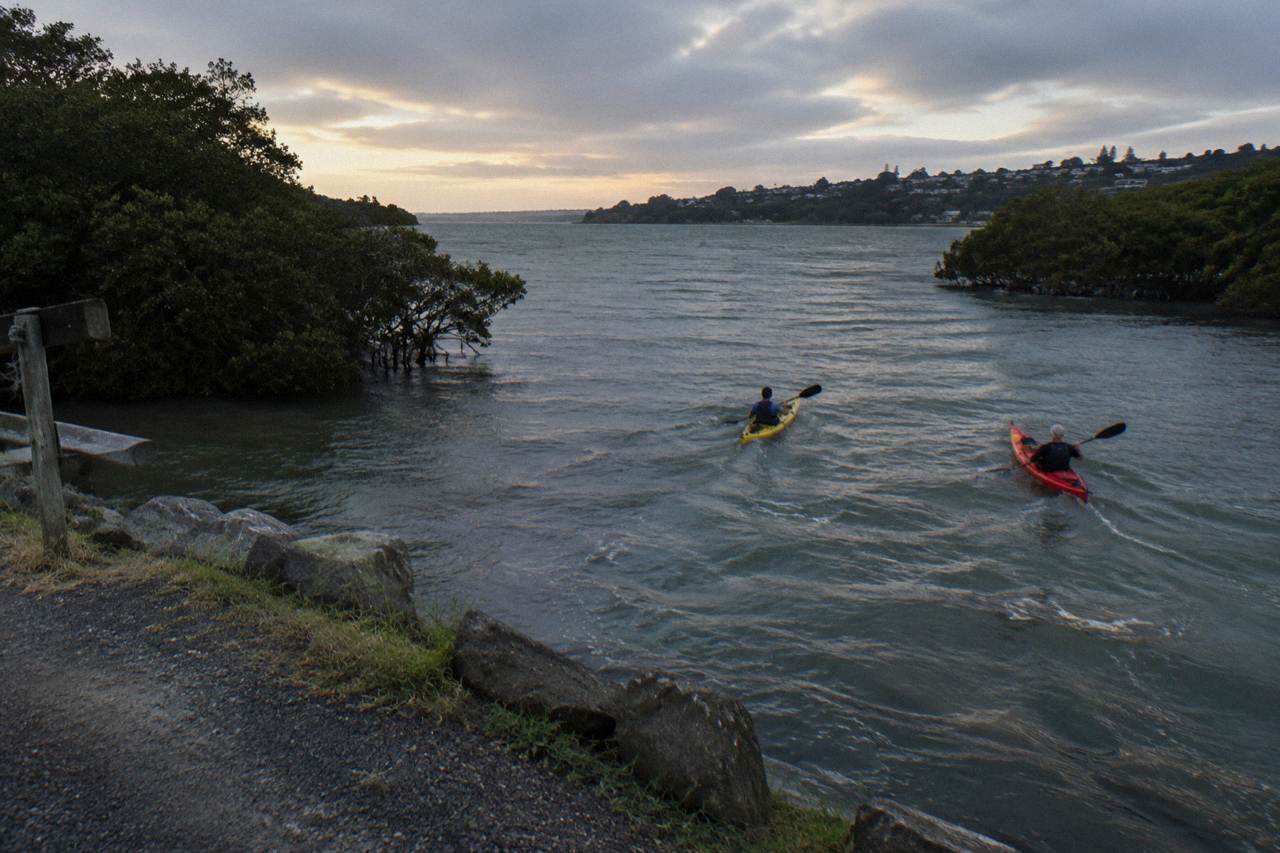
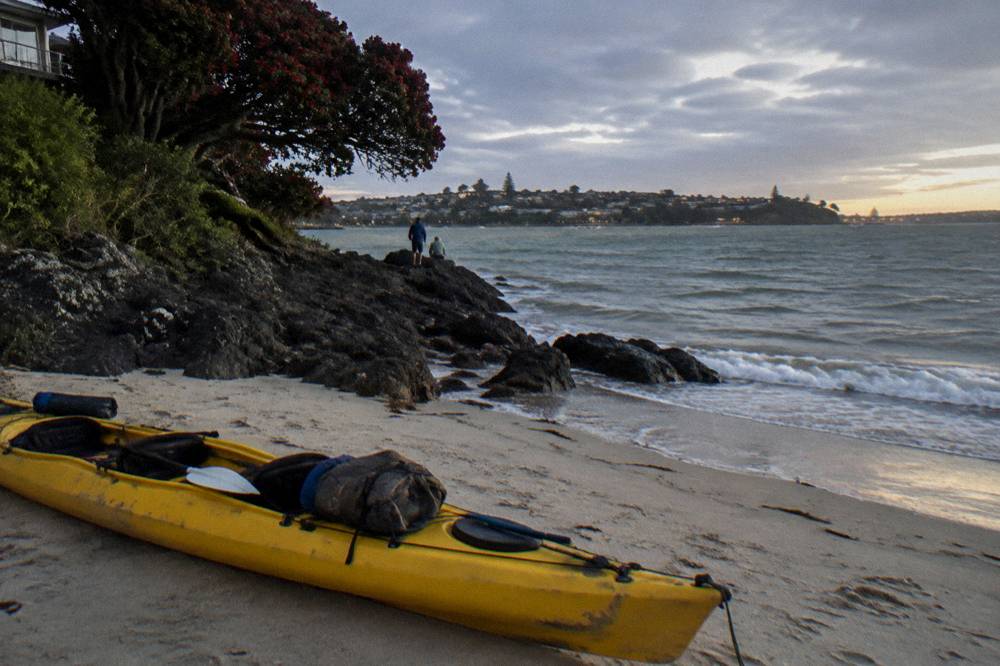
Every dedicated bioluminescence paddle covered here launches from Auckland's North Shore: Social Nature Movement uses Okura Boat Ramp at the end of Okura River Road or Waiake Beach, chosen by the tide, and Canoe & Kayak Adventures emails the exact North Shore spot on the morning of the tour. None of the glow trips launches from the city waterfront.
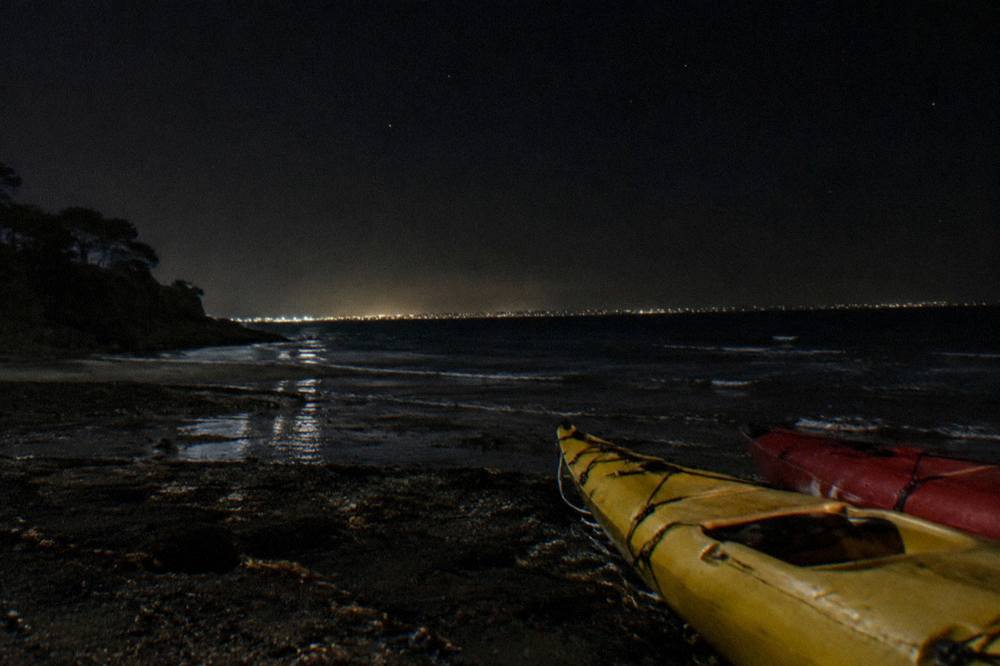
That geography is the single most useful fact for planning. The dedicated glow trips, two paddles whose whole purpose is the bioluminescence, sit on the North Shore because that is where the operators have decided the combination of darkness and access works; those two trips are sold across four booking pages. The Social Nature Movement trips list two meeting points, Okura Boat Ramp (1 Okura River Road, Okura) and Waiake Beach, and the operator links the choice to the tide: Okura at high tide, Waiake at low tide, with "both locations are equally good" in the operator's words. The other booking page for the same trip leaves the location to be chosen at booking. The launch mechanics are detailed in Okura and Waiake bioluminescence kayak launches.
Canoe & Kayak Adventures handles location differently: the exact North Shore spot is emailed before 10 AM on the day of the tour. The tour from $67.52, branded with the operator's founding year of 1994, runs two hours with a guide ratio of one to six, is rated 4.1 across 207 reviews, and caps groups at 24. The same trip sold on its other booking page shows 4.5 across 67 reviews from $66, states a minimum age of 7 and a 120 kg limit, and lists transport as not included. That is one trip with two pages, not two tours. Full detail on the Canoe & Kayak Adventures glow paddle covers what each page states.
The operator's own bioluminescence wording is unusually specific. "Bioluminescence is a natural event and can never be guaranteed, but we plan every trip around the best conditions and it's very rare not to see at least one type. "If you don't see any on your tour, as confirmed by your guide on the night, we'll give you a free repeat tour." That repeat offer comes from the operator, applies only when the guide confirms nothing was seen, and is the strongest consumer protection attached to any of the 9 tours covered here. On season, the operator says that in November to April the glow is "often strong enough to enjoy on most nights", and that those dates fill fast, so booking ahead is advisable. More of these guides are collected on this site.
Okura, Waiake Or The Emailed Spot: What Decides The Launch?
The tide decides between Okura and Waiake for Social Nature Movement, and Canoe & Kayak Adventures decides its North Shore spot on the day and emails it before 10 AM. Weather limits also differ by launch: Social Nature Movement runs Waiake only below 5 m/s wind and Okura only below 8 m/s, both with a 2.4 mm rain ceiling, in the operator's own words.
A reader comparing the glow tours should treat the launch point as a live decision the operator makes, not a fixed address. Social Nature Movement's two listed North Shore points sit close together on the coast north of the city, and the operator's tide-linked logic, Okura at high tide and Waiake at low, means the same tour can start from either ramp in the same week. The operator also runs an optional paid add-on called the Bio-Bus from near the Sky Tower, meeting one hour before the start, with a 30 minute ride each way per the operator. It is an add-on at checkout, not part of the base price, and none of the 9 tours covered here include free hotel pickup. Getting to the coast is covered separately in getting to a bioluminescence kayak launch from central Auckland.
The table below sets out what each launch-owning operator actually states. Where a cell is blank, check the live booking page for the current figure.
| Tour (operator) | Launch point | Who decides | From (USD, per person) | Duration |
|---|---|---|---|---|
| Glow paddle, 5.0 across 46 reviews (Social Nature Movement) | Okura Boat Ramp or Waiake Beach | Operator, by tide | $62.42 | 2 hours |
| Glow paddle, 4.9 across 329 reviews (Social Nature Movement) | Chosen at booking | Booking selection | $53 | 1.5 to 2 hours |
| Glow paddle, 4.1 across 207 reviews (Canoe & Kayak Adventures) | North Shore spot emailed before 10 AM on the day | Operator, on the day | $67.52 | 2 hours |
| Rangitoto sunset, 4.9 across 179 reviews (Auckland Sea Kayaks) | St Heliers Bay, 384 Tamaki Drive | Fixed base | $139.02 | 6 hours 30 minutes |
| City Lights, 4.8 across 28 reviews (Auckland Sea Kayaks) | Westhaven Marina boat ramp, Z Pier | Fixed base | $82.27 | About 2.5 hours |
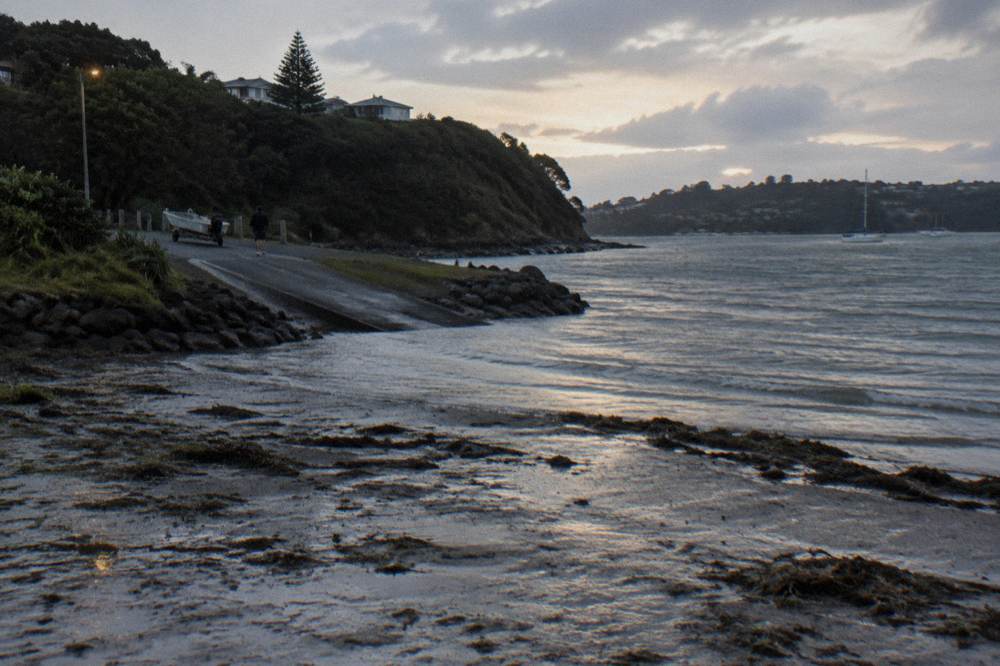
The moon adds a second layer of decisions, and the two glow operators treat it differently, so their rules must never be blended. Social Nature Movement's rule is a hard one: "we do not operate when the moon is in the sky and at more than 50% illumination, as excessive moonlight can significantly reduce the quality and visibility of the bioluminescence, so gaps in our availability are intentional." Gaps in that operator's calendar are deliberate. Canoe & Kayak Adventures runs on the new moon side instead, recommending booking near a new moon or on nights with a later moonrise, while noting that moonlight makes the glow "more subtle, but still visible." The full picture is in moon phase and a bioluminescence kayak tour.
When Is It Dark Enough, And How Dark Does Auckland Get?
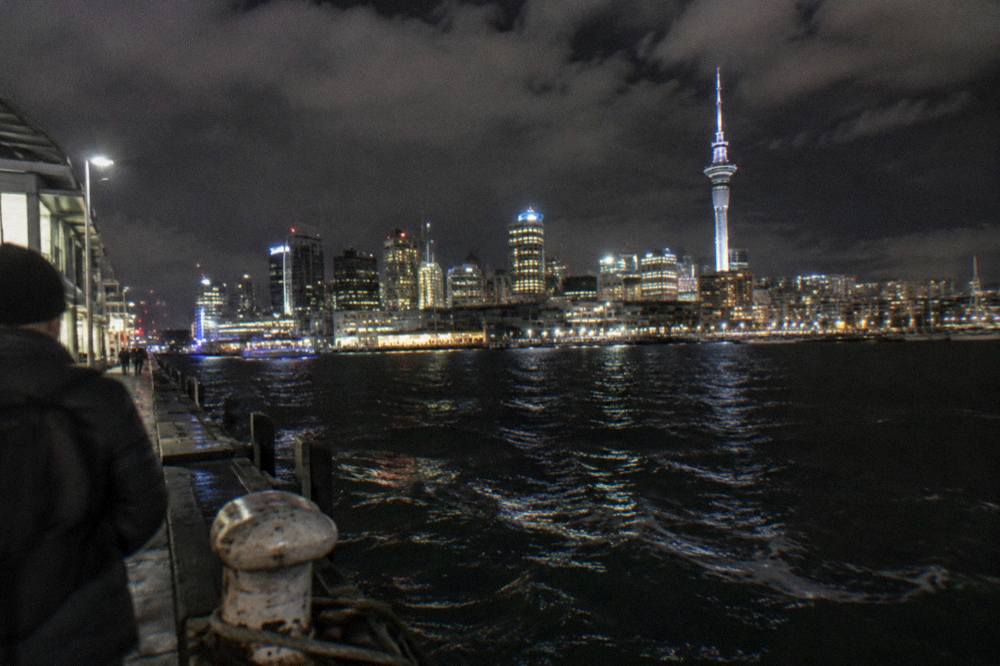
Full darkness, computed for the Auckland waterfront, falls between about 6:43 pm in midwinter and 10:29 pm at the summer peak in January, which is why glow tours run late in summer and why the operators, not this page, set start times. The moon calendar matters as much: new moons in the coming year fall on 9 November 2026, 9 December 2026 and 8 January 2027 among others, computed from US Naval Observatory data.
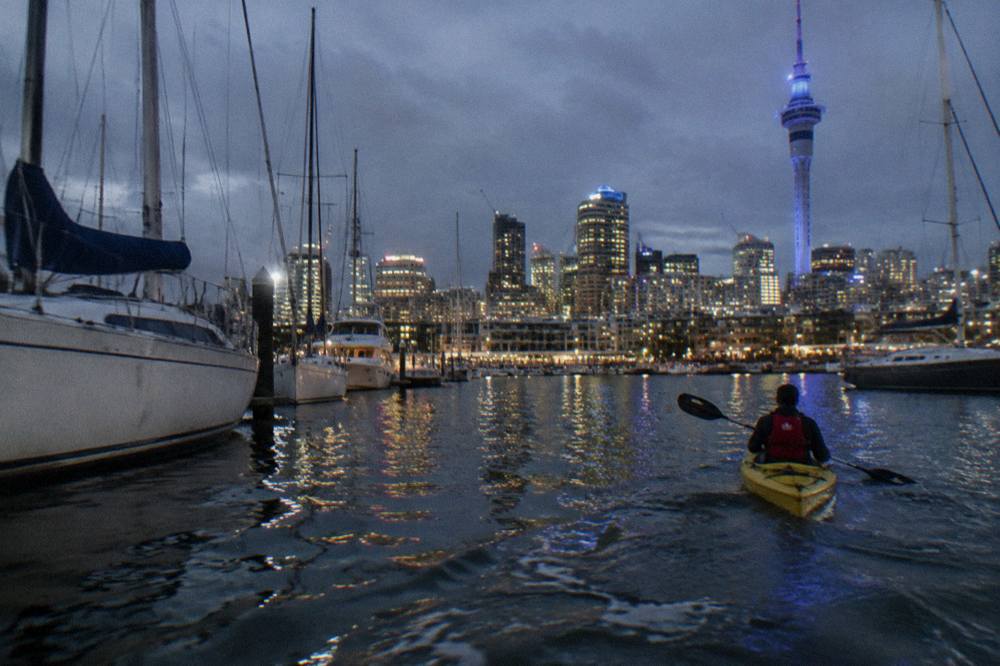
Darkness is the raw material of a glow tour, and Auckland's summer evenings are late. The times below are computed from date and location for the Auckland CBD waterfront, using US Naval Observatory sun and moon data, shown for the 15th of each month. No tour start time should be inferred from them: each operator sets its own, and the later darkness falls, the later a summer tour begins.
| Date | Sunset | End of civil twilight | Full dark (astronomical dusk, computed) |
|---|---|---|---|
| 15 Nov 2026 | 8:08 pm | 8:37 pm | 9:49 pm |
| 15 Dec 2026 | 8:36 pm | 9:07 pm | 10:27 pm |
| 15 Jan 2027 | 8:42 pm | 9:12 pm | 10:29 pm |
| 15 Feb 2027 | 8:18 pm | 8:46 pm | 9:53 pm |
| 15 Mar 2027 | 7:41 pm | 8:07 pm | 9:08 pm |
| 15 Apr 2027 | 5:56 pm | 6:22 pm | 7:22 pm |
| 15 May 2027 | 5:23 pm | 5:50 pm | 6:52 pm |
| 15 Jun 2027 | 5:11 pm | 5:40 pm | 6:43 pm |
Daylight saving shifts the clock underneath these figures: summer time, UTC+13, began on 27 September 2026 and ends on 4 April 2027, then resumes on 26 September 2027. A reader booking a February glow tour should expect a later start than an April one, since full dark falls earlier in autumn; exact times are set by each operator, so check the booking page. The moon calendar runs alongside: new moons computed from US Naval Observatory data fall on 9 November 2026, 9 December 2026, 8 January 2027, 7 February 2027, 8 March 2027 and 7 April 2027, with full moons on 25 November 2026, 24 December 2026 and 23 January 2027. Dates, not promises: bioluminescence may appear on any of these nights, and none is guaranteed.
Season wording belongs to the operators, each for its own tours only. Social Nature Movement says peak Auckland bioluminescence season is October to April. Canoe & Kayak Adventures says the November to April glow is often strong enough to enjoy on most nights. Auckland Sea Kayaks says bioluminescence is sometimes seen on its sunset tour, typically October to April. Three operators, three season lines, one shared caveat: the glow can never be guaranteed. More on the timing question sits in the best time for a bioluminescence kayak tour in Auckland.
What Do The Night Kayak Tours Cost And How Long Do They Run?
Prices across the nine night kayak tours run from $53 per person for the most reviewed Social Nature Movement glow paddle to $139.02 for the Rangitoto sunset dinner tour, with a median of $73, and durations run from 1.5 hours to 7 hours. All figures are from prices, per person, and every tour states a full refund when cancelled at least 24 hours before the start.
The full spread of trips, with the review counts that sit behind each rating, is below. Where a trip is sold on two booking pages, both prices are shown and the review pools are never combined, because they are two storefronts for one paddle.
| Trip | Operator | Category | From (USD, per person) | Rating and reviews | Duration |
|---|---|---|---|---|---|
| Glow paddle, Okura or Waiake start | Social Nature Movement | Bioluminescence | $62.42 | 5.0, 46 reviews | 2 hours |
| Glow paddle, location at booking | Social Nature Movement | Bioluminescence | $53 | 4.9, 329 reviews | 1.5 to 2 hours |
| Glow paddle, est. 1994 | Canoe & Kayak Adventures | Bioluminescence | $67.52 | 4.1, 207 reviews | 2 hours |
| Glow paddle, guided | Canoe & Kayak Adventures | Bioluminescence | $66 | 4.5, 67 reviews | 2 hours |
| Tiritiri Matangi dinner and night paddle | Social Nature Movement | Sunset to night | $139 | New page, no rating shown | 7 hours |
| Rangitoto sunset, BBQ dinner | Auckland Sea Kayaks | Sunset to night | $139.02 | 4.9, 179 reviews | 6 hours 30 minutes |
| Rangitoto sunset and night, second page | Auckland Sea Kayaks | Sunset to night | $116 | 4.8, 85 reviews | 7 hours |
| City Lights, 2.5 hours with snacks | Auckland Sea Kayaks | City lights | $82.27 | 4.8, 28 reviews | About 2.5 hours |
| City Lights, sweet treat | Auckland Sea Kayaks | City lights | $73 | 5.0, 15 reviews | 2 hours |
Two rows need careful reading. The Tiritiri Matangi trip is a 7 hour dinner, wildlife and night-walk experience with a return paddle that offers a chance of bioluminescent plankton; it is not a two hour glow paddle and should not be price-compared with one. The two Rangitoto rows are one trip on two booking pages, the same island dinner paddle at $139.02 on one page and $116 on the other, with separate review pools of 179 and 85. The price study that goes deeper into these figures is bioluminescence kayak tour prices in Auckland. Since these trips stay on the water rather than in it, the guide to why swimming is not part of a bioluminescent kayak tour explains what the booking pages actually cover.
What the money buys also differs by operator, in ways the flag-level detail makes clear. Social Nature Movement's booking page includes a guide, kayak and equipment, a personal flotation device with safety light beacon. Canoe & Kayak Adventures includes all kayaking and safety equipment, stable sea kayaks or sit-on-tops, tuition from qualified guides and a one-to-six guide-guest ratio. Auckland Sea Kayaks includes the guide, kayak, paddle, life jacket and, on the Rangitoto trips, a BBQ dinner with hot and cold drinks. Food varies across the 9 tours: the Rangitoto trips and the Tiritiri dinner paddle include catering, so check the booking page for a short glow paddle before counting on a snack.
Is A Guided Kayak The Only Realistic Way To Reach The Glow?
For a visitor, yes: the guided kayak is how the Auckland tours reach dark, calm water at the hours the glow is visible, and none of the 9 tours is a rental or a self-guided option. All nine tours are guided paddles, and the operators, not the paddler, make the launch, weather and darkness calls that a glow night depends on.
The self-guided alternative exists in theory and fails in practice for a tourist. It needs a kayak transported to a dark North Shore beach at night, calm conditions, personal lighting and safety gear, and knowledge of which spot holds water on which tide. Maritime NZ's paddle craft guidance sets the baseline for anyone considering it: dress for the water temperature, because cold water shock and hypothermia can kill, carry two waterproof ways to call for help, and check the marine forecast. The guided tours absorb exactly those problems. Four booking pages list a life jacket or personal flotation device among the inclusions, and from 9 October 2026 everyone on a recreational craft six metres or less must wear a properly fitted lifejacket while underway. Maritime NZ counts kayaks among the craft covered, subject to the existing exceptions.
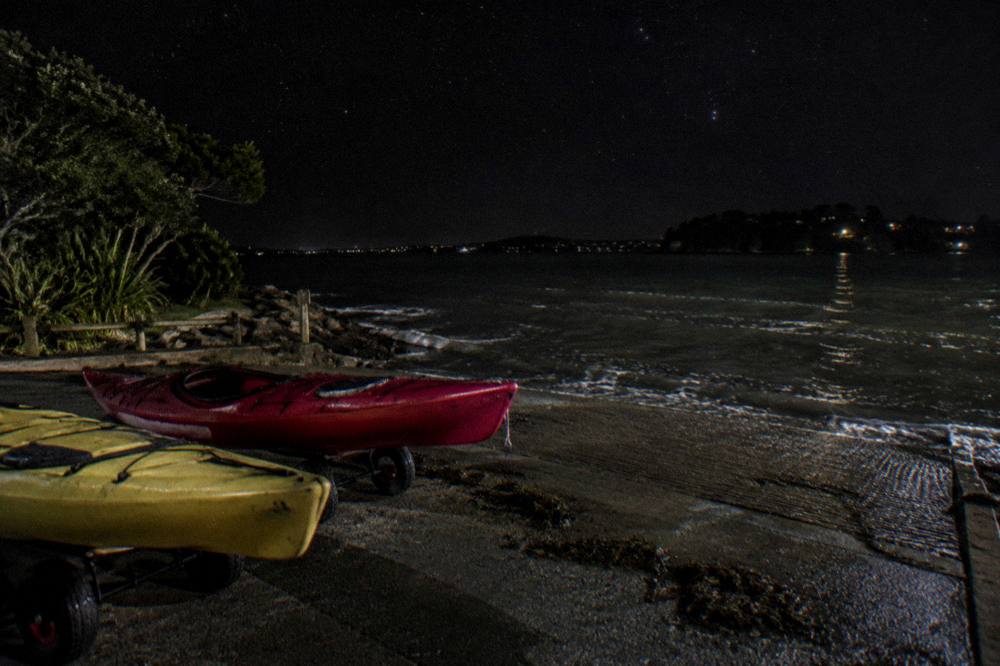
The guided route also carries the weather and moon logic that a first-time visitor cannot replicate. Social Nature Movement runs only in calm conditions and does not operate when the moon is above 50 percent illumination, so its calendar is pre-filtered for darkness. Canoe & Kayak Adventures plans each trip around conditions and backs the night with its free repeat offer if the guide confirms no glow was seen. Auckland Sea Kayaks operates within strict wind and sea limits and makes the final call on the day, rescheduling or refunding when conditions are unsafe. These are operator decisions, made nightly, by people who watch the same beaches all season. The wider safety picture is in night kayak safety on a guided bioluminescence paddle.
One honest caveat belongs in any answer to this question. Bioluminescent Kayak Auckland is a site about these guided paddles, and the glow itself is a natural event: Canoe & Kayak Adventures says it can never be guaranteed; Social Nature Movement says it varies naturally. What the guided tour sells is the full set of decisions: the right shore, the right hours, the right darkness, the gear and the guide. The light in the water is the part nobody sells, and the part that, on the nights it arrives, makes the whole logistics chain worth it.
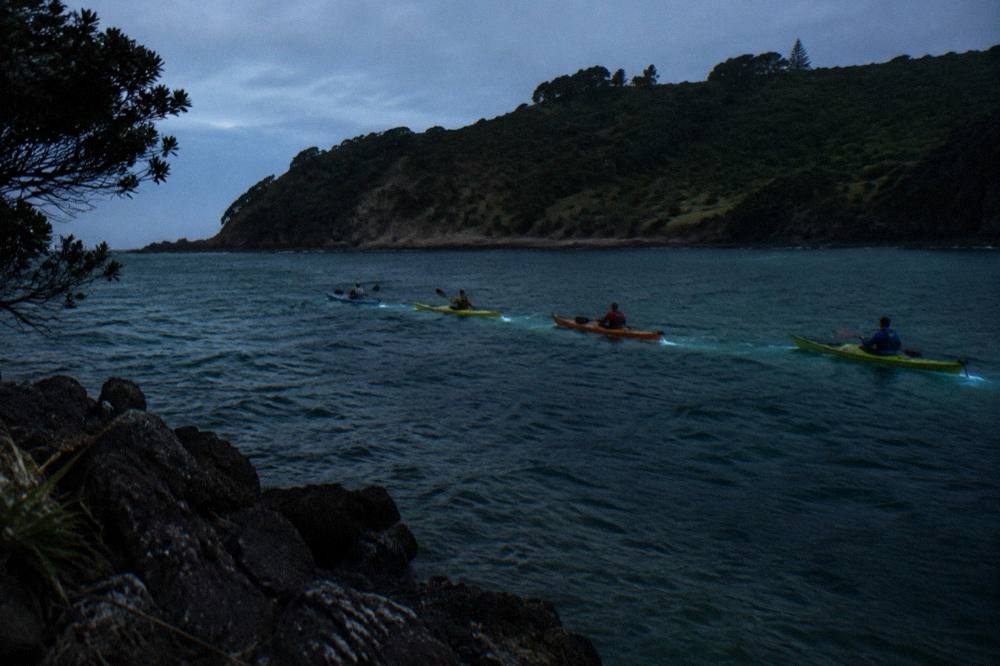
The two dedicated glow trips differ mainly in launch point and what each offers. A dedicated glow paddle means the North Shore, Okura, Waiake or an emailed spot, roughly $53 to $67.52 and under two hours. A harbour night under city lights means Westhaven Marina and no glow claim. An island dinner means St Heliers Bay, an evening crossing and a "sometimes" glow line. Readers weighing that choice may also want a comparison of Auckland's bioluminescence kayak tours before committing to a date.
Common Questions About Seeing Bioluminescence In Auckland
Where Can You See Bioluminescence In Auckland?
The dedicated glow tours launch from Okura Boat Ramp or Waiake Beach with Social Nature Movement, or from a North Shore spot emailed before 10 AM on the day with Canoe & Kayak Adventures. Local Matters has described Mahurangi and the Hibiscus Coast as bioluminescence hotspots, but none of the 9 tours covered here paddles there.
Can You See Bioluminescence In The Waitemata Harbour?
No tour promises it there. Auckland Sea Kayaks says the glow is "sometimes" seen on its Rangitoto sunset tour, "typically October to April", and can never be guaranteed; its City Lights paddles on the harbour make no bioluminescence claim.
How Much Does A Bioluminescence Kayak Tour In Auckland Cost?
Dedicated glow paddles run from $53 to $67.52 per person for 1.5 to 2 hour trips. Prices across the 9 tours covered here run from $53 to $139.02, with the Rangitoto sunset tour at the top of that range.
Which Launch Is Used, Okura Or Waiake?
Social Nature Movement links the choice to the tide: Okura Boat Ramp at high tide, Waiake Beach at low tide, and the operator calls both locations equally good. The final launch is the operator's decision.
Is The Glow Guaranteed On These Tours?
No. Canoe & Kayak Adventures never guarantees the glow; Social Nature Movement says it varies naturally. Canoe & Kayak Adventures offers a free repeat tour if the guide confirms no glow was seen, and Social Nature Movement simply does not run nights when the moon is above 50 percent illumination.
When Is It Dark Enough For A Glow Tour?
Full darkness over Auckland, computed from date and location, falls between about 6:43 pm in midwinter and 10:29 pm in mid-January. Operators set their own start times around those hours, so summer tours begin late.