Can You See Bioluminescence From A Kayak Without A Tour?
Yes, an unguided paddler can in principle see bioluminescence around Auckland, but the glow depends on plankton, calm water and darkness, and a night paddle carries real safety obligations. Here is how guided Auckland tours handle all of it.
The short answer is yes, in principle, and no, in any way anyone can plan for. Bioluminescence in Auckland's coastal water is produced by living organisms whose numbers rise and fall with conditions nobody controls. A paddler without a tour can see it. A paddler without a tour can also spend a cold night on dark water seeing nothing, with no guide to read the signs, no radio, no repeat-trip offer and no local knowledge of which launch suits the tide. This page sets out what is known about the glow itself, what a solo night paddle actually demands, and what the guided Auckland tours covered here do about each part. Since the light behaves differently from what most first-timers picture, the guide to how long the glow lasts on a bioluminescence kayak tour explains what those flashes actually look like on the water.
Yes, an unguided kayaker can see bioluminescence around Auckland, because the light comes from plankton in the water rather than from anything a tour company provides. No operator, council scientist or agency can say where or when the glow will appear, and no booking page for a guided glow paddle in Auckland promises a sighting; Canoe & Kayak Adventures says outright that it can never be guaranteed. The difference between going alone and going guided is not access to the glow. It is access to judgment: each operator sets its own weather limits and can cancel a night that will not work before anyone gets wet. For anyone wondering what actually sets the water alight, the guide to touching the water on a bioluminescence kayak tour covers what triggers the glow and what the operators say about wet hands and paddle strokes.
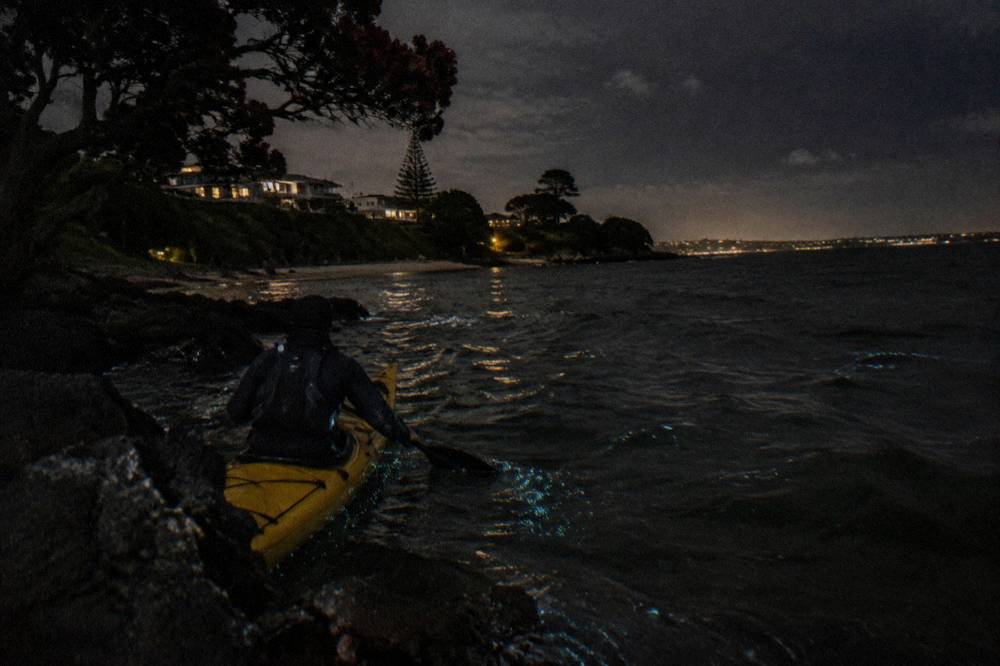
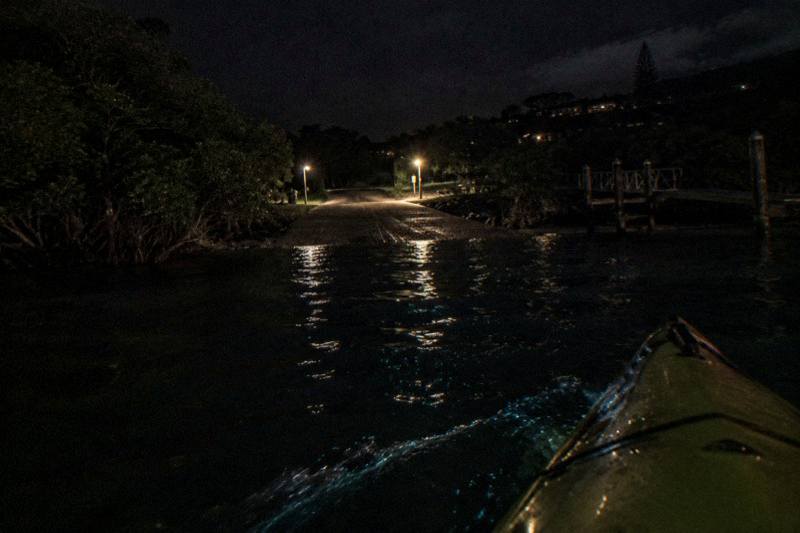
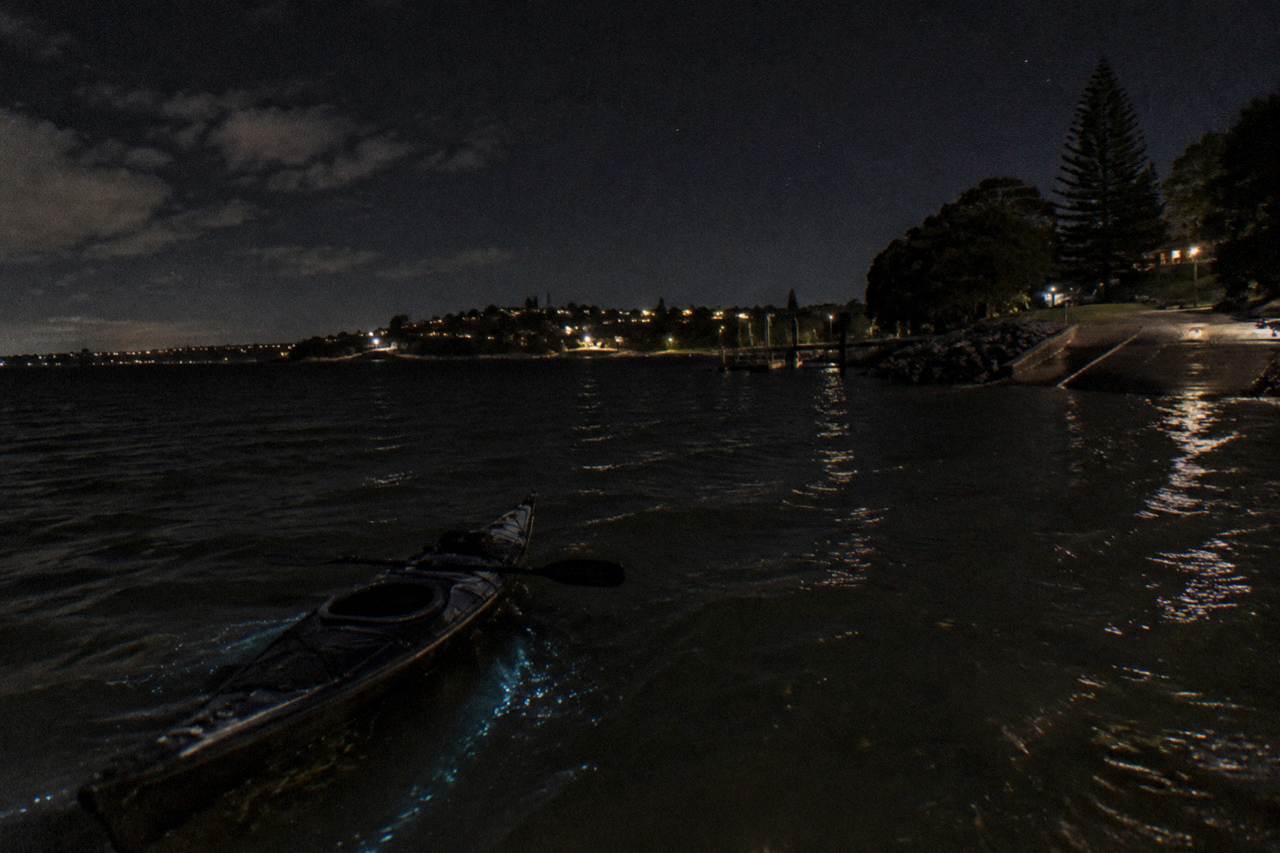
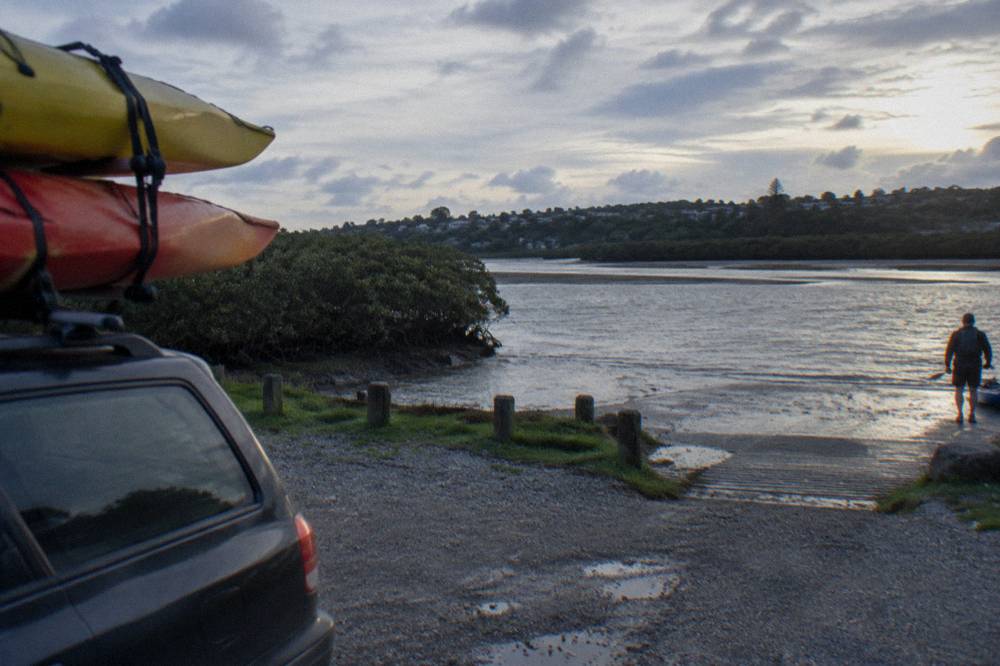
That distinction matters more in Auckland than in many places, because the dedicated glow paddles here launch from the North Shore, at Okura Boat Ramp, at Waiake Beach, or at a spot the operator picks and emails out on the day. These are not lit city ramps with parking attendants. They are tidal places where the launch itself depends on conditions, and where the operators that use them tie the choice to the tide. A solo paddler has to make that call alone, in the dark, with no one checking.
The tours also carry the safety layer that a solo night paddle has to build from scratch. Social Nature Movement supplies a personal flotation device with a safety light for each paddler. Auckland Sea Kayaks fits an all-round white navigation light on every kayak and its guides carry marine VHF radios and first aid. From 9 October 2026, Maritime NZ requires everyone on a recreational craft six metres or less, kayaks included, to wear a properly fitted lifejacket while underway, as its lifejacket rule change sets out. None of that produces the glow. All of it changes what kind of night you have while looking for it.
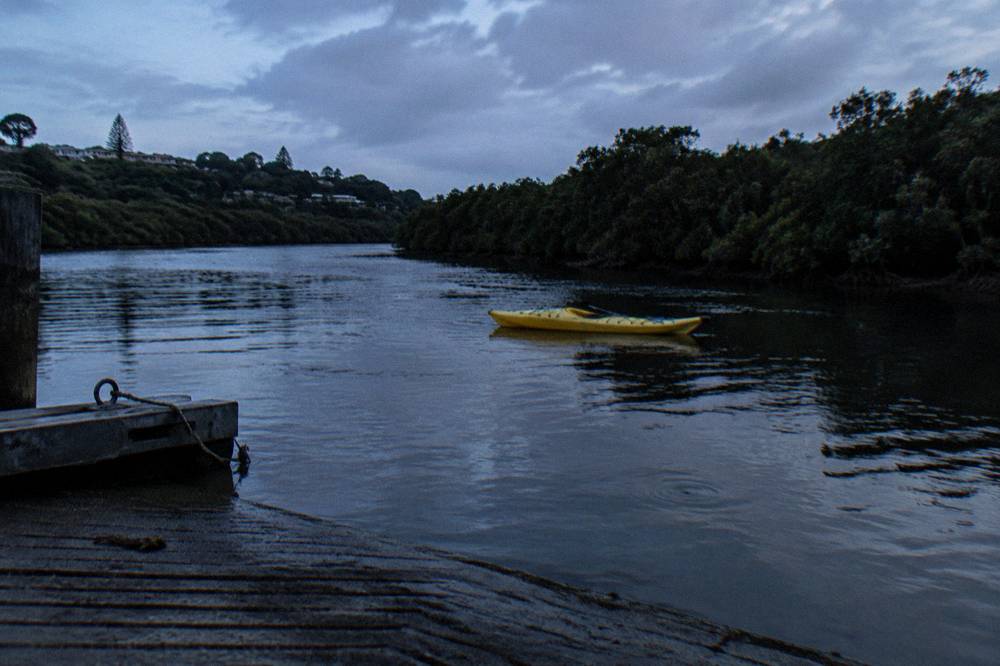
The rest of this page works through the question the way a careful planner would: what the glow is, whether you even need a kayak to see it, what a guided tour actually handles, what the safety rules demand of anyone on the water at night, where the Auckland launches are, and what the guided options cost.
What Makes The Water Glow Around Auckland?
The glow is often produced by a single-celled dinoflagellate called Noctiluca scintillans, which flashes blue-green light when the water around it is disturbed, by a paddle, a hull, a wave or a swimmer. Each flash lasts about 80 milliseconds, the light shows only at night, and the cells gather at the surface when the sea is calm, which is why calm, dark water is the setting every Auckland glow tour looks for. The organism is well described by Wikipedia's entry on Noctiluca scintillans: single-celled, 400 to 1500 micrometres across, drifting with the current, producing light through mechanical stimulation.
Auckland Council environmental scientist Dr Megan Carbines, quoted by the local newspaper Local Matters in December 2021, described it as "a non-toxic dinoflagellate, which often forms bright blooms around the coast in summer. When disturbed, it also emits a burst of light, often seen when swimmers or boats move through the water at night." She added that rising water temperature "is conducive to these sorts of blooms if combined with calm conditions allowing them to accumulate." That is the whole honest forecast: warmth plus calm plus darkness, and even then nothing is promised.
The same newspaper, speaking for itself and not for the council, calls Mahurangi and the Hibiscus Coast areas "long been known as bioluminescence hotspots". That is the newspaper's remark, not an agency finding, and this page does not name unguided spots or give launch advice for them. Earth Sciences New Zealand, formerly NIWA, has documented the mechanism in New Zealand waters, describing cells that "phosphoresce when disturbed", with the popular names "Sea Ghost" and "Fire of Sea".
Why does any of this favour a kayak over a jetty? Because the flash is triggered by disturbance. A paddle pulled through a bloom pulls a trail of light behind it, which is the image every glow-tour booking page trades on. The general biology of that light, its blue-green colour and its night-only rhythm, is covered in Wikipedia's dinoflagellate article. The science page on this site goes further into the mechanism, in What Makes The Water Glow On A Bioluminescence Kayak Tour.
Do You Need A Kayak At All To See The Glow In Auckland?
No. The light is in the water, not in the boat, and anything that disturbs a bloom, waves, a boat wake, a swimmer, even a hand trailed off a jetty, can trigger it. A kayak is simply an efficient way to move across calm dark water and keep disturbing it, which is why the Auckland tours built around the glow are all guided paddles rather than viewing platforms. Dr Carbines' own description, quoted above, mentions swimmers and boats, not kayaks.
The catch is that the conditions that concentrate the cells, calm surface water and true darkness, push viewing away from lit, busy shorelines and toward darker water at night. Kayaks reach it. So, in principle, do stand-up paddleboards, dinghies and swimmers, and every one of those options carries the same two problems this page keeps returning to: knowing whether tonight is a glow night, and being safe on the water after dark.
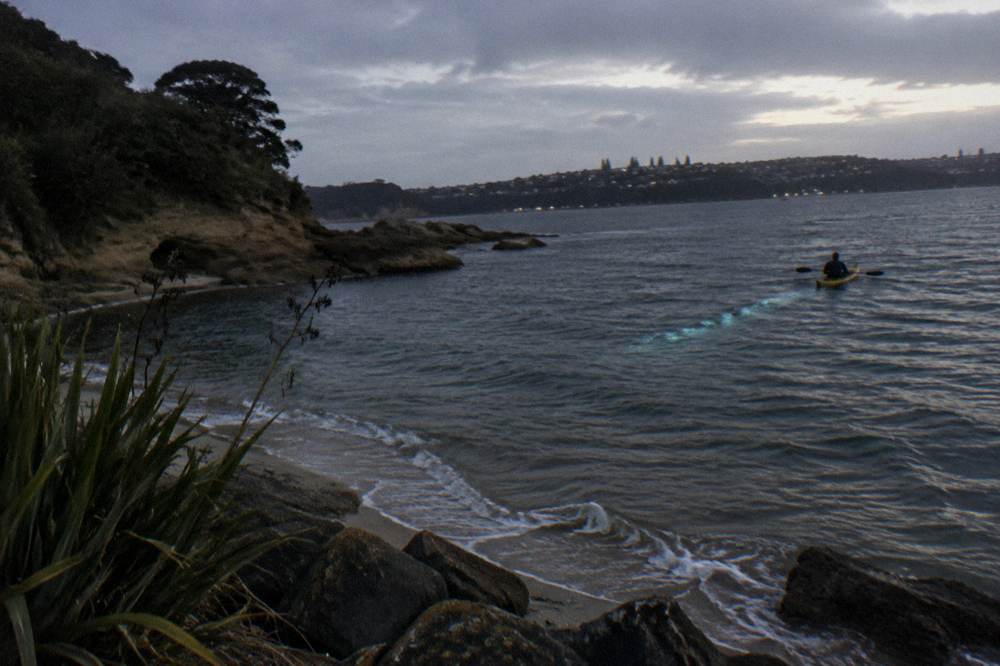
That is also where the honest answer to the solo question gets uncomfortable. Nobody can tell you where the glow will show. Not the council scientist, not the newspaper, not any operator. Social Nature Movement says the glow varies naturally, and Canoe & Kayak Adventures says a sighting can never be guaranteed. A guide cannot summon it either. What a guide brings is a record of which nights worked, a moon and weather filter that removes nights that will not, and, for one operator here, a concrete remedy when the night fails.
What Does A Guided Auckland Glow Tour Handle That A Solo Paddle Does Not?
A guided tour handles the four things a solo paddler must arrange alone: the equipment, the launch decision, the weather and moon judgment, and the response when something goes wrong on the water at night. Each operator does this differently, with different stated limits, and the booking pages spell out exactly what each one takes on. None of it changes whether the plankton show up. All of it changes the cost of being wrong.
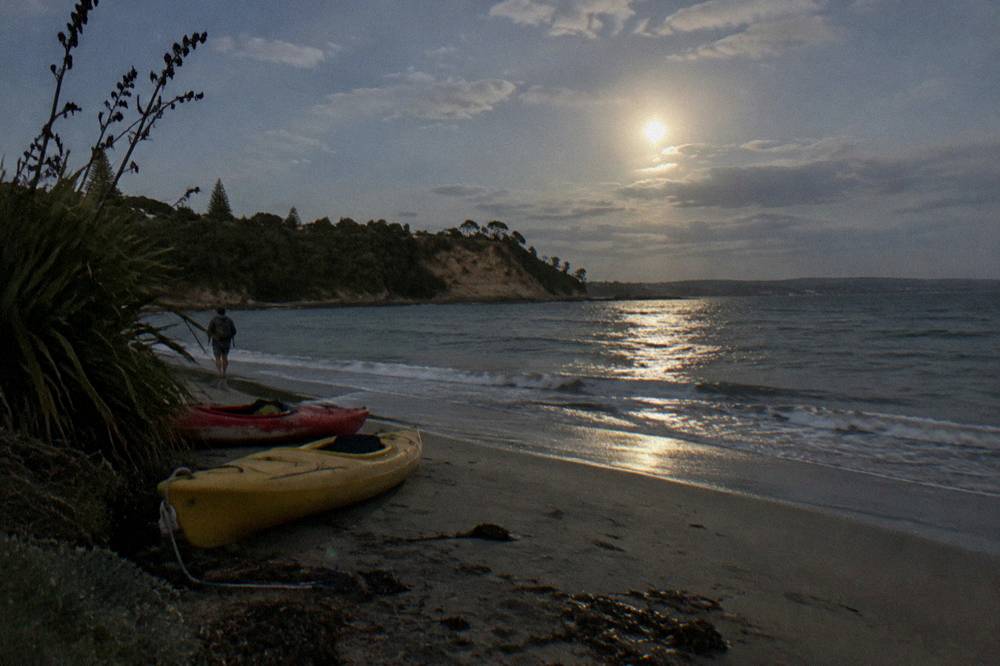
Take the operators one at a time, using only what their own pages say. Canoe & Kayak Adventures, which says it has run kayak tours since 1994, runs a 2 hour bioluminescence paddle with one guide to six guests, kayaks, safety equipment and tuition included, from a North Shore spot emailed before 10 AM on the tour day. Its moon advice is explicit: book near a new moon or on nights with a later moonrise, because brighter moonlight makes the glow more subtle. Its remedy is the most concrete in the city: if the guide confirms on the night that no bioluminescence was seen, the operator gives a free repeat tour.
Social Nature Movement runs its glow paddle from Okura Boat Ramp or Waiake Beach, tied to the tide, with kayak, paddle and a personal flotation device with safety light included. It publishes operating limits a solo paddler would have to invent for themselves: tours proceed only in calm conditions, Waiake does not run above 5 m/s wind or 2.4 mm rain, Okura above 8 m/s or 2.4 mm rain, and no tours run at all when the moon is in the sky above 50 percent illumination. Those gaps in its calendar are deliberate. Auckland Sea Kayaks, for its part, states that its guides carry marine VHF radios and first aid, that every kayak carries a navigation light, and that its trips run within strict wind and sea limits, with the final call often made on the day.
The deeper comparison of the two dedicated glow operators, including their review histories and both booking pages for each trip, is in Auckland Bioluminescence Kayak Tours Compared. The safety side of a guided night paddle, including the new lifejacket rule, is covered in Night Kayak Safety On A Guided Bioluminescence Paddle.
Is It Safe To Kayak At Night On Auckland Waters Without A Guide?
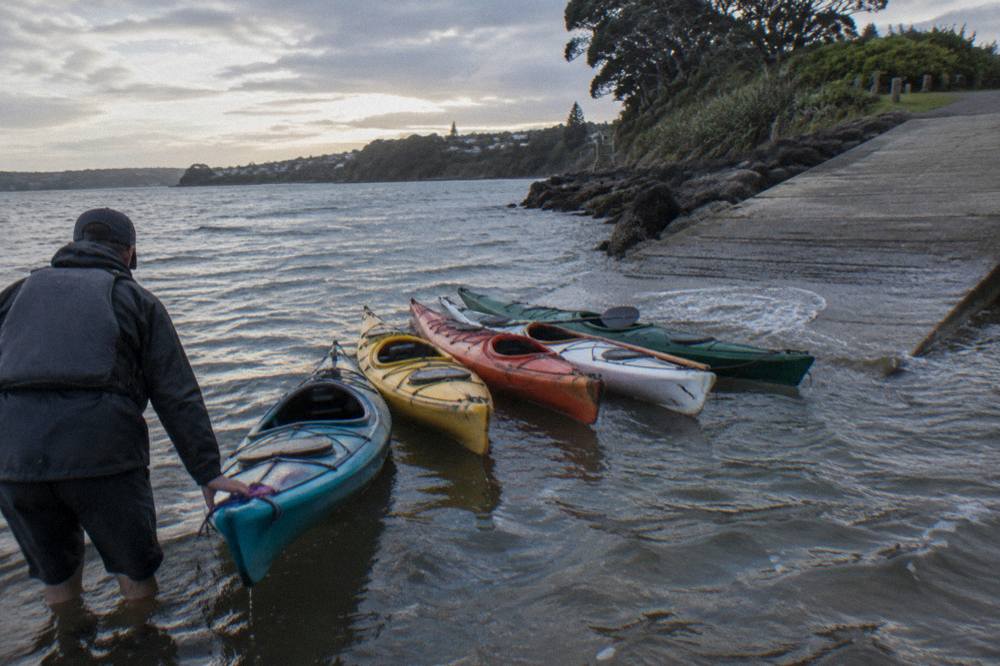
It is legal to paddle at night without a guide, and it carries obligations most casual paddlers have never read. Maritime NZ requires a properly fitted lifejacket on kayaks while underway, advises dressing for the water temperature because cold water shock can kill, carrying two waterproof ways to call for help, and checking the marine forecast before departure. The guided tours here build all of that into the price. The paddle-craft guidance is on Maritime NZ's paddle craft page.
Read that list again as a solo checklist. A lifejacket, fitted, worn, not stowed. Two waterproof ways to call for help, which in practice means a VHF radio or a phone in a waterproof case, doubled. Clothing chosen for the water temperature, not the air temperature. A forecast check against real limits, not a glance at the sky. Then add the items the operators handle without thinking: a lit craft, a second person, a route someone else knows, and a launch decision already made.
The operators' own behavior is the best measure of how seriously night water is taken here. Social Nature Movement sets hard wind and rain cut-offs per launch site and simply does not run under a bright moon. Auckland Sea Kayaks describes operating within strict wind and sea limits with the final call often made on the day, moving or rescheduling guests when conditions are unsafe. Canoe & Kayak Adventures plans every trip around the best conditions and runs one guide to six guests. These are businesses whose margins depend on going out, and even they cancel nights. A solo paddler with no cut-offs is not braver, just unbriefed.
Where Do Auckland's Bioluminescence Tours Actually Launch?
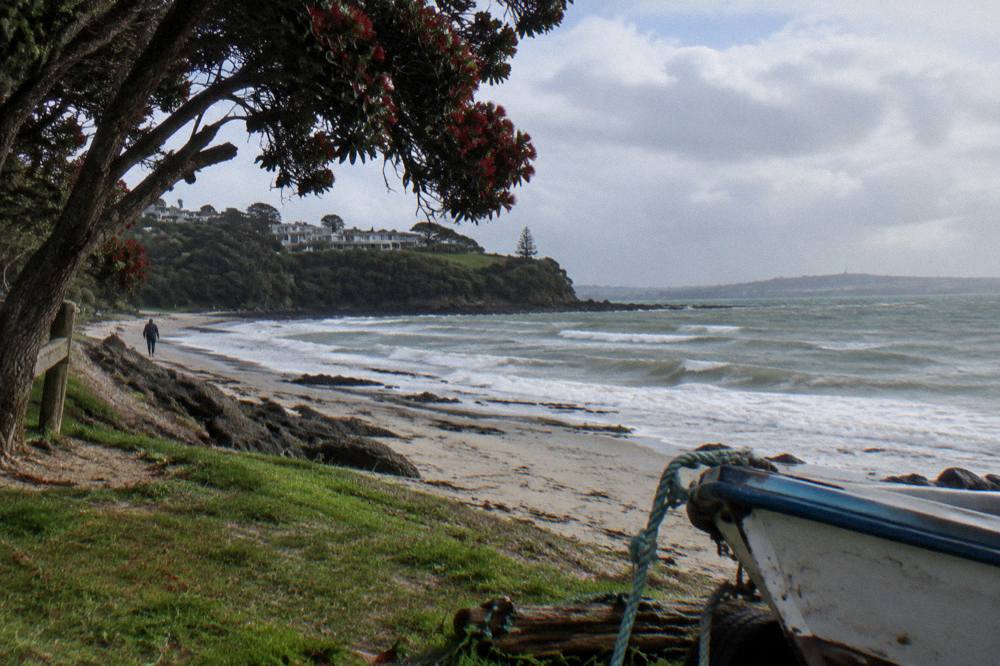
The dedicated glow paddles launch from Auckland's North Shore: Okura Boat Ramp at the end of Okura River Road, Waiake Beach, or, for Canoe & Kayak Adventures, a North Shore spot emailed before 10 AM on the day. The city and harbour tours are elsewhere: City Lights trips leave from Westhaven Marina and the Rangitoto sunset trips from St Heliers Bay on Tamaki Drive. Each launch suits a different trip, and none of them is interchangeable.
The two Social Nature Movement launch sites are tied to the tide, with the operator calling Okura the high-tide option and Waiake the low-tide option, and saying both are equally good. That single sentence is a small masterclass in what a solo paddler lacks: local knowledge that converts a tide table into a launch choice. The Canoe & Kayak Adventures approach is different again, holding the exact North Shore spot back until the morning of the tour, when it is emailed to guests. The launch follows the conditions rather than the calendar.
The geography is laid out launch by launch in Okura And Waiake Bioluminescence Kayak Launches, and the transport question, including the optional Bio-Bus add-on from near the Sky Tower on the Social Nature Movement trip, is answered in Getting To A Bioluminescence Kayak Launch From Central Auckland. This page deliberately does not name unguided spots or give launch advice, because no source here can say where the glow will be on any given night.
How Much Does A Guided Glow Paddle Cost Compared With Going Alone?
The dedicated 2 hour bioluminescence paddles in Auckland run from $53 to $67.52 per person, the longer sunset-and-night trips from $116 to $139.02, and the City Lights paddles from $73 to $82.27. A solo paddle's price is mostly hidden: a kayak, a lifejacket, lights, two ways to call for help, transport to a dark launch, and the cost of nights that fail. The sticker gap is smaller than it first looks. Before tallying that gear list, the guide to night kayaking lights and what a kayak shows after dark spells out exactly what guided trips carry and what a solo paddler has to supply.
| Tour | Operator | Duration | From (USD, per person) | Rating and reviews | Start |
|---|---|---|---|---|---|
| Optional Bio-Bus, 1.5 To 2 Hours | Social Nature Movement | 1.5 to 2 hours | $53 | 4.9, 329 reviews | Chosen at booking |
| No Hotel Pickup, 2 Hours | Canoe & Kayak Adventures | 2 hours | $66 | 4.5, 67 reviews | North Shore, spot emailed on the day |
| North Shore Start, 2 Hours | Canoe & Kayak Adventures | 2 hours | $67.52 | 4.1, 207 reviews | North Shore, spot emailed on the day |
| Okura Or Waiake Start, 2 Hours | Social Nature Movement | 2 hours | $62.42 | 5.0, 46 reviews | Okura Boat Ramp or Waiake Beach |
| Sweet Treat, 2 Hours | Auckland Sea Kayaks | 2 hours | $73 | 5.0, 15 reviews | Westhaven Marina |
| Rangitoto BBQ, 7 Hours | Auckland Sea Kayaks | 7 hours | $116 | 4.8, 85 reviews | St Heliers Bay |
| St Heliers Start, Rangitoto BBQ | Auckland Sea Kayaks | 6 hours 30 minutes | $139.02 | 4.9, 179 reviews | St Heliers Bay |
Two rows deserve a note. The first four are two trips, not four: each glow trip is sold on two booking pages at two prices, and the table shows both. The Rangitoto rows are one sunset-and-dinner trip likewise sold on two pages; the operator says bioluminescence is "sometimes" seen on that trip, "typically October to April", and never guaranteed, so it belongs here as context, not as a glow tour. A fuller price breakdown across the whole category, including the 7 hour Tiritiri Matangi dinner and wildlife trip, is in Bioluminescence Kayak Tour Prices In Auckland.
Against those figures, the solo paddle looks free and is not. Renting or owning a kayak and a proper lifejacket, lighting the craft, carrying two waterproof ways to call for help, and driving to a dark North Shore launch at night all cost money before a single plankton flashes. The guided price also buys the moon filter and the weather cut-offs described above, and, on the Canoe & Kayak Adventures paddle, the free repeat tour if the guide confirms nothing was seen. Whether the whole category earns its price is argued in Is Bioluminescence Kayaking Worth It?.
If the goal is simply to be on Auckland's water at night with a guide and a sweet treat included, the City Lights paddle is the budget-format alternative, from $73 per person:
Can The Moon Or The Weather Cancel An Auckland Glow Night?
Yes, both, and by explicit rules at some operators. Social Nature Movement does not run any tour when the moon is in the sky above 50 percent illumination, and cancels above set wind and rain limits per launch site. Canoe & Kayak Adventures recommends new moon or later moonrise nights because brighter moonlight makes the glow more subtle. Auckland Sea Kayaks makes the final weather call on the day. A solo paddler inherits all of these decisions with none of the information.
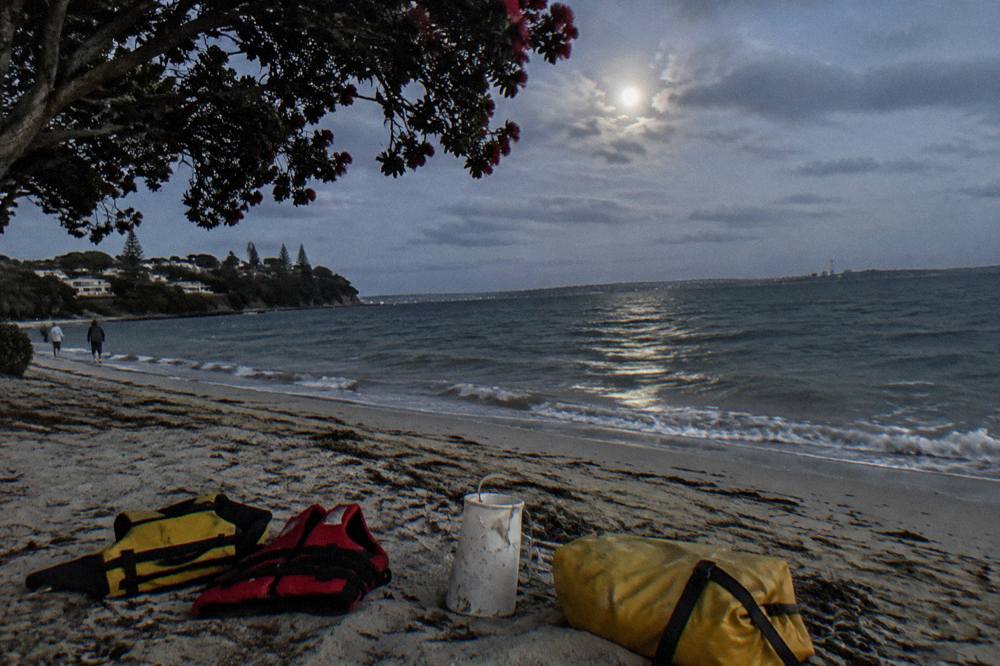
The moon dates are not secret. New moons in Auckland time, computed from US Naval Observatory data, fall on 9 November 2026, 9 December 2026, 8 January 2027, 7 February 2027 and 8 March 2027, with the pattern roughly monthly after that; the US Naval Observatory calculator produces sun and moon times for any date and place. Full moons, the bright nights, fall on 25 November 2026, 24 December 2026 and 23 January 2027 in the same period. No date on that list is a guaranteed dark night or a guaranteed glow night; the dates simply describe the moon.
Weather is the other filter, and it is the one that catches solo paddlers out, because the sea can look calm from a car park and not be calm off the point. Social Nature Movement's published limits are the clearest in the city: no tours above 5 m/s wind or 2.4 mm rain at Waiake, and none above 8 m/s or 2.4 mm rain at Okura, with tours proceeding only in calm conditions. Auckland Sea Kayaks says its trips run within strict wind and sea limits and that unsafe conditions mean being moved, rescheduled or refunded. Every one of the nine tours covered here also states a full refund when cancelled at least 24 hours before the start. How the moon question plays out across a whole season is laid out in Moon Phase And A Bioluminescence Kayak Tour.
Why Can No Tour, Guided Or Not, Promise A Sighting?
Because the glow is a living population, not a light switch. Social Nature Movement says on its booking page that the organisms vary naturally, and Canoe & Kayak Adventures says a sighting can never be guaranteed. The council scientist says blooms form when warmth and calm combine. Nothing in any of that gives anyone, guided or unguided, the power to promise a display. The strongest claim an operator makes is Canoe & Kayak Adventures': it says it plans every trip around the best conditions and that it is "very rare" not to see at least one type, backed by its repeat-tour offer.
That offer deserves its own sentence, because it is the closest thing to a safety net the category has: if the guide confirms on the night that no bioluminescence was seen, the operator gives a free repeat tour. It is not a refund and it is not a promise, and its terms are the operator's. But it converts the worst outcome of a glow night, nothing seen, from a total loss into a second ticket.
For a solo paddler there is no equivalent. A failed night is a failed night, and the costs described earlier, gear, transport, time, are all sunk. That asymmetry, more than any equipment list, is the real answer to the question this page started with. Yes, you can see bioluminescence from a kayak without a tour, in exactly the way you can catch a fish without a guide: sometimes, with luck, and with nobody to tell you it was never going to happen tonight. The rest of the decision is about how much of the night you want to outsource, and to whom. If the answer is a guided glow paddle from the North Shore, this site keeps the current dates, prices and both booking pages for each trip in one place.
Before choosing, here again are the two trips that frame the decision: the North Shore glow paddle with the repeat-tour offer, and the most reviewed glow paddle in the city.
Common Questions About Seeing The Glow Without A Tour
Can You See Bioluminescence From A Kayak Without A Tour?
Yes. The light comes from plankton in the water, and a paddle stroke through a bloom can glow whether or not a guide is present. What no source can supply, guided or unguided, is where and when a bloom will appear: Social Nature Movement says the organisms vary naturally and Canoe & Kayak Adventures says a sighting can never be guaranteed. The guided tours supply judgment, gear, lights and a launch decision instead.
Do You Need A Kayak To See Bioluminescence In Auckland?
No. Anything that disturbs the water, a boat, a wave or a swimmer, can trigger the flash. A kayak is an efficient way to keep disturbing calm, dark water, which is why the Auckland tours built around the glow are paddles. This page does not name unguided spots, because no source can say where the glow will show.
What Actually Makes The Water Glow?
Mostly a single-celled dinoflagellate called Noctiluca scintillans, described by an Auckland Council environmental scientist as non-toxic and prone to bright summer blooms. It flashes a burst of light, lasting about 80 milliseconds, when disturbed, and gathers at the surface. The light shows only at night.
Is It Safe To Kayak At Night Without A Guide?
It is legal and it carries real obligations. From 9 October 2026, Maritime NZ requires a properly fitted lifejacket worn on kayaks and similar craft while underway. Its paddle-craft guidance also says to dress for the water temperature, carry two waterproof ways to call for help, and check the marine forecast. The guided tours supply these things as part of the trip.
Does A Bright Moon Ruin The Chances?
By operator wording, it reduces what you see. Social Nature Movement does not run at all when the moon is in the sky above 50 percent illumination. Canoe & Kayak Adventures says brighter moonlight makes the glow more subtle and recommends new moon or later moonrise nights. New moon dates, computed from US Naval Observatory data, include 9 November 2026, 9 December 2026 and 8 January 2027.
What Happens If No Glow Appears On A Guided Tour?
No booking page promises a sighting. Canoe & Kayak Adventures goes furthest: if its guide confirms on the night that no bioluminescence was seen, the operator gives a free repeat tour, on its own terms. Every tour covered here also states a full refund when cancelled at least 24 hours before the start.