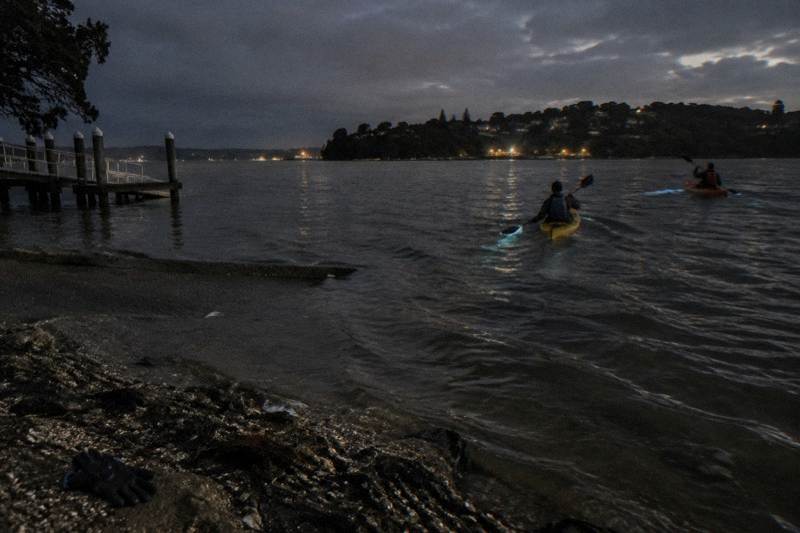
Is Bioluminescence Kayaking Worth It?
An honest trade-off on Auckland bioluminescence kayak tours: what the glow paddles cost, how long they run, what no operator can promise, and who gets full value from a night on the water.
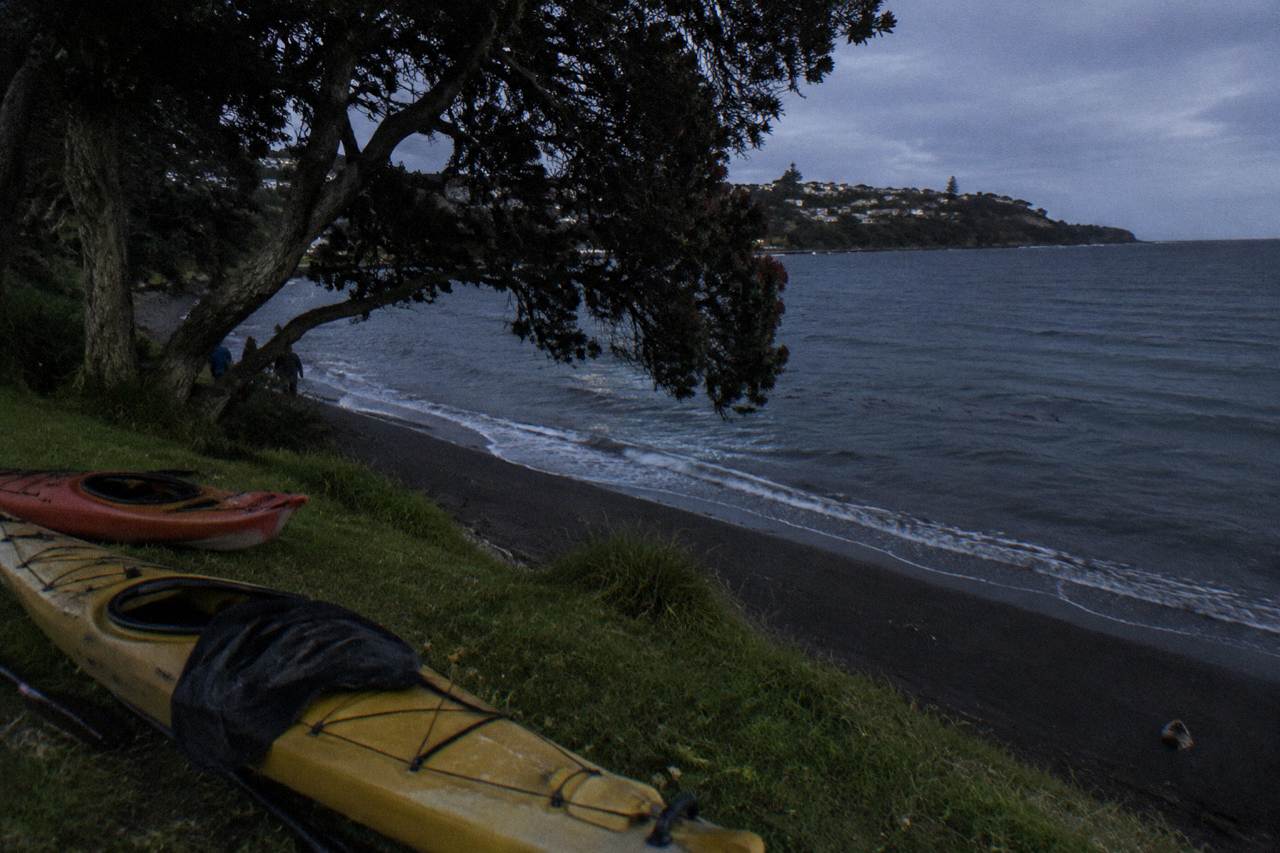
Two hours on dark North Shore water, a paddle stroke that lights up blue-green for a fraction of a second, and a price that starts at $53 per person: that is the trade every Auckland reader weighs before booking a bioluminescence kayak tour. Some come off the water having watched the surface flicker on every stroke. Others paddle a calm, starry night with no glow at all: Canoe & Kayak Adventures says the glow can never be guaranteed, and Social Nature Movement says it varies naturally. The question of worth sits exactly on that line, and this page works through it with real figures rather than cheerleading. How the glow actually behaves moment to moment shapes those expectations too, and the guide to how long the glow lasts on a bioluminescence kayak tour explains what those brief flashes feel like across a night paddle.
The science behind the glow is well understood, even when the sighting is not. The light comes mostly from dinoflagellates, single-celled organisms whose flash is triggered by mechanical disturbance, lasts about 80 milliseconds and occurs only at night, as Wikipedia's summary of dinoflagellate bioluminescence explains. A paddle, a wave or a hull moving through the water supplies the disturbance. Whether enough cells are present on any given night, in any given bay, is the part no booking page can sell in advance.
For a reader who accepts that no sighting is promised, the Auckland glow paddles offer a well-priced, short, guided night out on the water, with prices from $53 to $67.52 per person for about two hours, and a full refund when cancelled at least 24 hours before the start. For a reader who needs the glow as a certainty, no tour on this harbour can provide it, and that reader should not book one.
That is the whole trade-off in two sentences, and the rest of this page unpacks it. Worth, in this case, is not a single verdict. It is the sum of a modest ticket price, a short commitment of time, the pleasure of a guided night paddle regardless of the plankton, and a real chance of the glow.
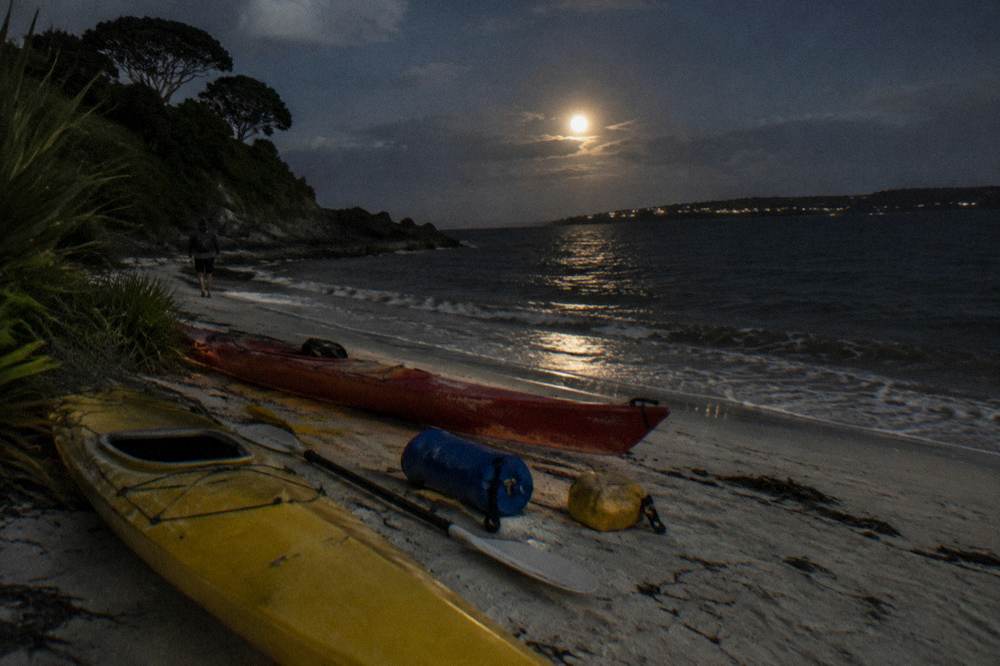
Three factors push the value up. The dedicated glow paddles are among the shorter guided tours around Auckland, so the commitment is small. All nine tours covered here state a full refund when cancelled at least 24 hours before the start, which removes most of the financial risk of a change of plans. And the glow paddles launch from North Shore locations, Okura Boat Ramp or Waiake Beach with one operator and a North Shore spot emailed on the day with the other, which keeps the evening contained.
Two factors push it down. Social Nature Movement says the glow varies naturally, and it notes a bright moon thins the experience even when plankton are present. And a two-hour paddle in the dark is still a two-hour paddle in the dark: a reader who would not enjoy a night on the water for its own sake is buying a lottery ticket on plankton.
A reader new to the whole idea can start with the basics in what a bioluminescence kayak tour actually is, which explains the format, the gear and the launch routine without any sighting promises.
What Does A Glow Kayak Tour In Auckland Cost?
The four dedicated glow paddles cost from $53, $62.42, $66 and $67.52 per person respectively, each for roughly two hours on the water, guided, with kayak and gear supplied. The most reviewed of them, Social Nature Movement's night paddle, is also the cheapest at from $53, rated 4.9 across 329 reviews.
The full picture is easier to read as a table. Four of the trips below are each sold on two booking pages at two prices; treat each pair of rows as one trip, and check the booking page for the price on the page being booked.
| Tour | Operator | From (USD, per person) | Duration | Start point |
|---|---|---|---|---|
| Night Kayak Tour in Glowing Bioluminescent Waters | Social Nature Movement | $53 | 1.5 to 2 hours | Chosen at booking |
| Auckland Bioluminescence Kayak Tour | Social Nature Movement | $62.42 | 2 hours | Okura Boat Ramp or Waiake Beach |
| Bioluminescence Kayak Tour with Guide | Canoe & Kayak Adventures | $66 | 2 hours | North Shore, spot emailed on the day |
| Bioluminescence Kayak Tour, Est. 1994 | Canoe & Kayak Adventures | $67.52 | 2 hours | North Shore, spot emailed on the day |
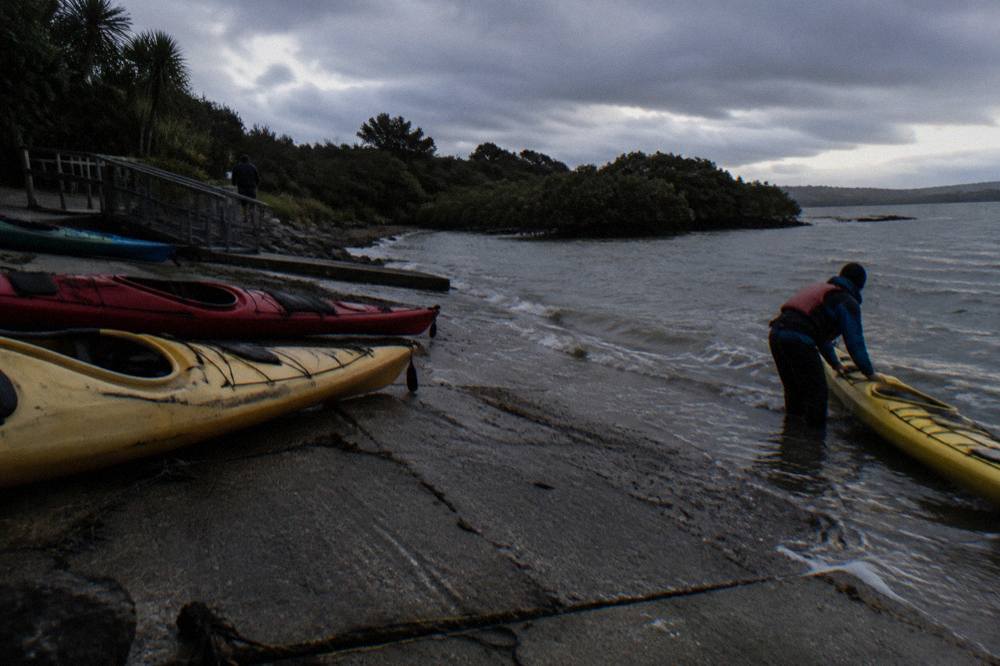
Against the rest of Auckland's night paddling, those figures sit at the low end. The City Lights tours from Westhaven Marina run from $73 and $82.27 per person, and the Rangitoto sunset tours from $116 and $139.02. A glow paddle is therefore one of the cheaper guided night experiences on the Waitemata, which matters when the outcome is uncertain: a smaller outlay is easier to write off to experience if the water stays dark. The full price breakdown across every tour covers the sunset and city trips in detail.
Every one of the nine tours states a full refund when cancelled at least 24 hours before the start. That is booking-page wording and it applies to all of them, so the money is recoverable almost to the eve of the paddle.
Can Any Auckland Tour Promise The Bioluminescent Glow?
No. No operator promises a sighting. Social Nature Movement says the organisms vary naturally, Canoe & Kayak Adventures calls it a natural event and can never be guaranteed, and Auckland Sea Kayaks says bioluminescence is only sometimes seen on its sunset tour, typically October to April.
This is the single most important fact on the page, and it is worth reading the operators' own framing rather than a paraphrase. Canoe & Kayak Adventures puts it in the most concrete terms: the glow is planned around but not promised, and the operator's offer of a free repeat tour applies only when the guide on the night confirms none was seen. Social Nature Movement frames the same uncertainty on the calendar: it does not run tours when the moon is in the sky at more than 50 percent illumination, because excessive moonlight reduces the quality and visibility of the bioluminescence, so gaps in its availability are intentional.
What the glow is, when it does appear, is well documented. A well-known source of surface glow is Noctiluca scintillans, a non-toxic dinoflagellate that Auckland Council environmental scientist Dr Megan Carbines described as forming bright blooms around the coast in summer. Earth Sciences New Zealand gives the same organism its popular names, Sea Ghost and Fire of Sea, and describes cells that phosphoresce when disturbed at night. Wikipedia records the mechanics: single cells, 400 to 1500 micrometres, drifting with the current, flashing for about 80 milliseconds under mechanical stimulation, and accumulating at the surface when the sea is calm. Warmer water and calm conditions that let blooms accumulate are conducive, in the council scientist's words.
None of that converts into a forecast for a specific Tuesday in Okura. A reader who books accepts that, and the operators are consistent about saying so. More on the honest odds sits in whether every bioluminescence kayak tour sees the glow.
What Happens If No Bioluminescence Appears On The Night?
Canoe & Kayak Adventures offers a free repeat tour if the guide confirms no bioluminescence was seen, in the operator's own wording, and its tours run on demand with minimum numbers. Social Nature Movement makes no repeat offer; its protection is calendar-based, running only on nights its moon rule allows, and neither operator offers a refund simply for a dark night.
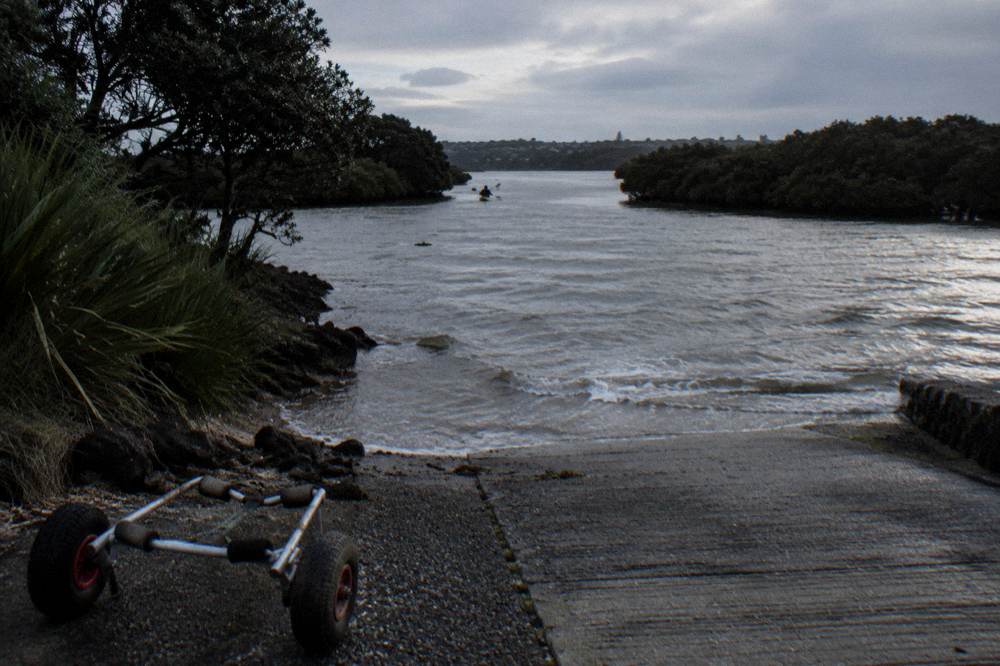
That repeat-tour offer is the most buyer-friendly term in Auckland's glow paddling and it belongs to one operator only. It is conditional: the guide on the night must confirm none was seen, and the terms are the operator's. A reader weighing two similarly priced tours may reasonably treat that offer as part of what the ticket buys, alongside the kayak, the guide and two hours on the water.
Social Nature Movement's approach is different. It removes the worst nights from the calendar entirely rather than compensating afterwards: no tours when the moon is in the sky above 50 percent illumination. The trade is fewer available dates, which the operator says is intentional, against a higher floor on darkness when a date does exist. A reader booking that operator should expect gaps in the calendar and read them as design, not neglect.
Weather sits on top of both. Social Nature Movement runs tours only in calm conditions, with stated wind and rain limits for each of its launch points. Canoe & Kayak Adventures offers a different date or a full refund when it cancels for weather. Neither is a glow guarantee; both are ways the operators manage a natural event honestly. The interplay of dates and darkness is covered fully in the moon phase and bioluminescence question.
How Long Is A Night Kayak Tour From Okura Or Waiake?
The dedicated glow paddles run about two hours: 1.5 to 2 hours for the Social Nature Movement night paddle, 2 hours for its Okura or Waiake start, and 2 hours for both Canoe & Kayak Adventures booking pages. The longer night options run to 6.5 or 7 hours with dinner included.
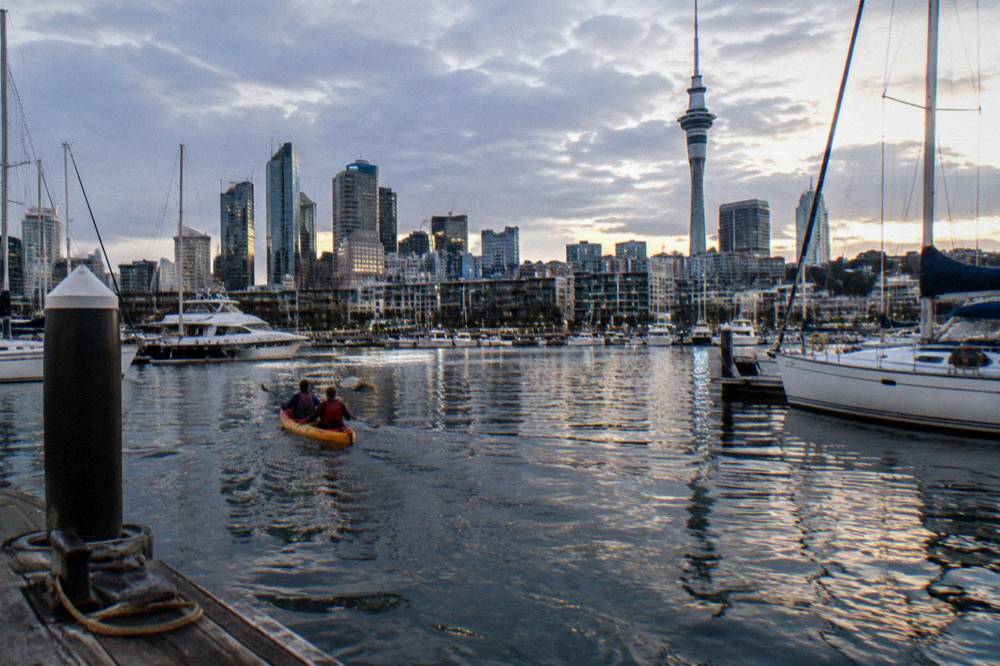
Two hours is a sensible size for a first night paddle. It is short enough that a cold evening stays manageable, and long enough that a guide can move the group to wherever the water is most likely to show something. Social Nature Movement links its two North Shore launches to the tide, calling both locations equally good: Okura at high tide, Waiake at low tide. Canoe & Kayak Adventures emails the exact North Shore spot before 10 AM on the tour day, so the meeting place is part of the morning-of logistics rather than something to plan around in advance.
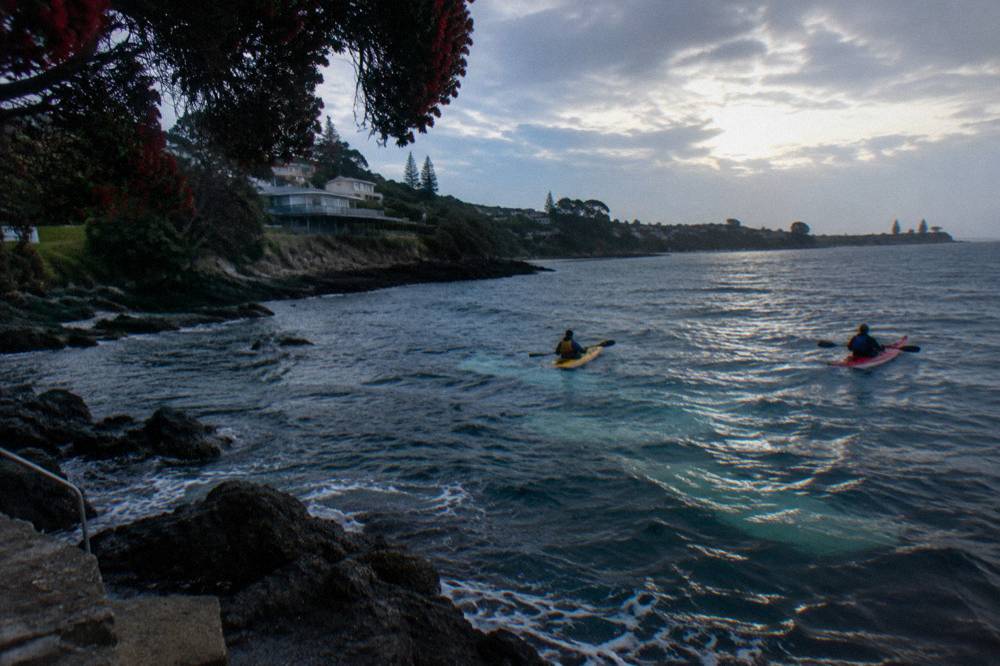
Darkness arrives late in an Auckland summer, which shapes the whole evening. Computed from date and location for the Auckland waterfront, sunset on 15 December 2026 is 8:36 pm and full dark, astronomical dusk, is 10:27 pm; on 15 January 2027, 8:42 pm and 10:29 pm. By 15 April 2027 the corresponding figures are 5:56 pm and 7:22 pm. Operators set their own start times, but summer glow paddles are genuinely late nights, and a reader who wilts after 10 pm should plan for that. Full tables of computed times sit with the US Naval Observatory sun and moon data that underlies them.
What to bring matters at those hours. Social Nature Movement's own list runs to a thin merino or thermal shirt, a fleece or woollen jumper, a rain-proof jacket, a warm beanie, a towel, a torch, water shoes, personal medication and a water bottle. Maritime NZ's paddle-craft guidance adds the safety framing: dress for the water temperature, because cold water shock and hypothermia can kill, and check the marine forecast. From 9 October 2026 everyone on a recreational craft six metres or less must wear a properly fitted lifejacket while underway, and Maritime NZ lists kayaks among the craft covered; the full wording is on the Maritime NZ lifejackets page. Lifejackets are included on four of the nine tours.
Is A Sunset Or City Lights Paddle A Better Auckland Bet?
A reader chasing a sure thing over a chance may prefer the alternatives: the Rangitoto sunset tours, from $116, paddle back after dark, while the City Lights tours, from $73 and $82.27, paddle the lit Waitemata Harbour, and neither promises bioluminescence. Check the booking pages for what each includes.
The comparison is honest only if kept separate. The City Lights tours from Westhaven Marina are night paddles in the city: skyline, harbour lights, a sweet treat or snacks, groups of 8 or 9. They make no bioluminescence promise, and they do not need one, because the city supplies the light. The Rangitoto sunset tours from St Heliers Bay are longer affairs, 6.5 to 7 hours, with a BBQ dinner and a return paddle in the dark. Auckland Sea Kayaks says bioluminescence is sometimes seen on its sunset tour, typically October to April, and can never be guaranteed; that line belongs to the sunset tour only. Glow worms get pulled into the same conversation, and the glow worm versus bioluminescence kayak tour comparison sorts out what each light actually is and which kind of paddle suits you.
So the question a reader is really answering is what the evening is for. A glow paddle buys a short, cheap night on North Shore water with a chance of the phenomenon. A sunset tour buys a big evening, dinner included, a volcano, and a chance of the same glow on the way home. A City Lights tour buys the city at night with no plankton lottery attached. The dedicated glow paddle is the cheapest and shortest of the three, and the only one whose whole purpose is the bioluminescence.
The trade-offs between the formats are laid out side by side in night kayak versus bioluminescence kayak tour.
What Do The Reviews Say About Auckland Glow Kayak Tours?
The most reviewed glow paddle, Social Nature Movement's night kayak tour in glowing bioluminescent waters, is rated 4.9 across 329 reviews, from $53. The same trip on its other booking page shows 5.0 across 46 reviews at $62.42. Canoe & Kayak Adventures' pages show 4.1 across 207 reviews and 4.5 across 67.
Ratings this close, on pools this different in size, say more about consistency than about ranking. A 4.9 from 329 reviews and a 4.1 from 207 are both strong scores for a product whose headline feature cannot be promised, which suggests most reviewers are pricing in the uncertainty, or finding enough value in the paddle itself. The Tiritiri Matangi dinner trip is new and has no reviews yet.
| Tour | Operator | Rating | Reviews | Category |
|---|---|---|---|---|
| Night Kayak Tour in Glowing Bioluminescent Waters | Social Nature Movement | 4.9 | 329 | Bioluminescence night |
| Auckland Bioluminescence Kayak Tour | Social Nature Movement | 5.0 | 46 | Bioluminescence night |
| Bioluminescence Kayak Tour, Est. 1994 | Canoe & Kayak Adventures | 4.1 | 207 | Bioluminescence night |
| Bioluminescence Kayak Tour with Guide | Canoe & Kayak Adventures | 4.5 | 67 | Bioluminescence night |
| City Lights Night Kayak Tour | Auckland Sea Kayaks | 5.0 | 15 | City lights night |
| Sunset and Night Sea Kayak Tour to Rangitoto | Auckland Sea Kayaks | 4.8 | 85 | Sunset to night |
Review counts are read in full, with dates and patterns, in bioluminescence kayak tour reviews. The short version for a worth decision: across every glow paddle on this page, the review pools are large enough and the scores high enough that dissatisfaction is not the norm, even though the glow itself sometimes is.
Who Finds A Bioluminescence Kayak Tour Worth The Money?
Readers who treat the glow as a bonus on a guided night paddle, book the cheapest page that suits their dates, pick a date the operator's own calendar rules allow, and hold the 24-hour cancellation window open, get the best of the trade.
The profile matters because the two operators price within dollars of each other and structure the uncertainty differently. Canoe & Kayak Adventures suits a reader who wants a safety net: the repeat-tour offer if the guide confirms no glow, tuition included, one guide to six guests. Social Nature Movement suits a reader who wants the odds managed before launch: the moon rule that keeps the worst-lit nights off the calendar, and the largest review pool at 4.9 across 329. A reader comparing them should read the side-by-side comparison of Auckland's glow tours.
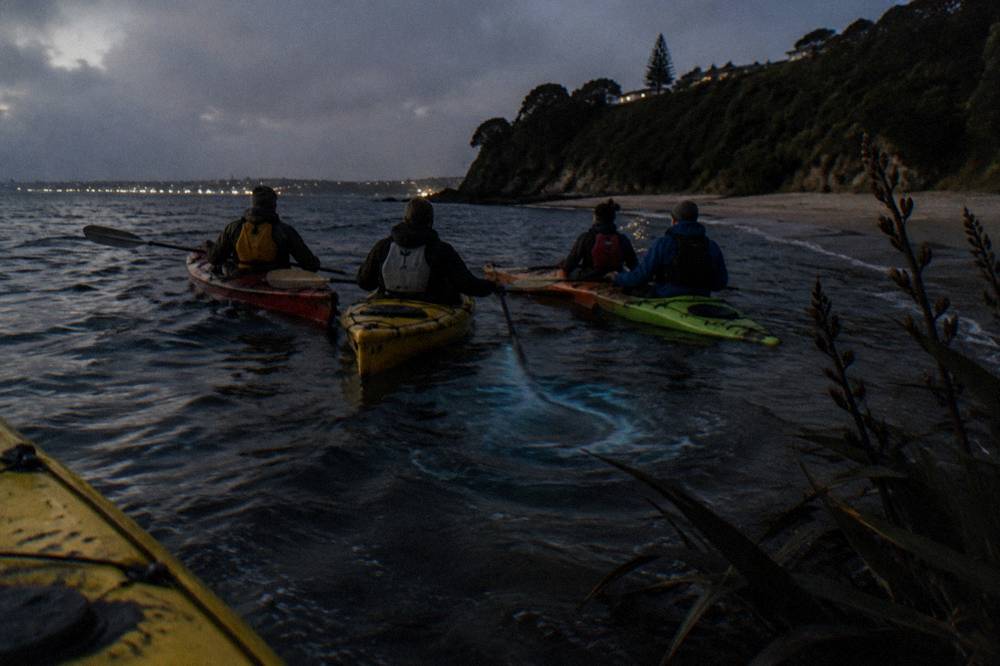
Families have a narrower path. One Canoe & Kayak booking page sets a minimum age of 7; Social Nature Movement's operator page sets 13 and over for its glow tours. First-timers are explicitly considered: Canoe & Kayak Adventures includes tuition and a guide-to-guest ratio of one to six, and Auckland Sea Kayaks says its sunset tour suits people with little kayaking experience. None of that is a swim test or a fitness claim; it is what the operators themselves state.
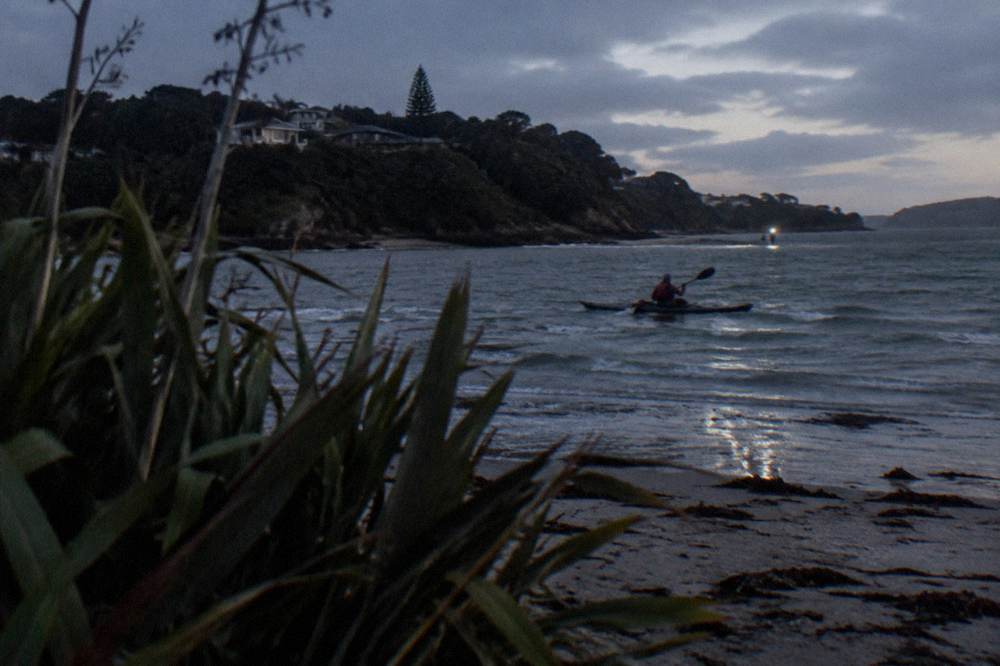
The final consideration is money recoverable against time not. Every tour here refunds in full when cancelled at least 24 hours ahead, so the dollars are low-risk. The evening itself is not refundable, and a dark night with no glow still costs two hours. For most readers, on these prices, that is a fair bet. For some it is not, and both answers are correct. The wider New Zealand context, if the trip extends beyond Auckland, is in bioluminescence kayak tours in New Zealand, and the launch-point logistics are covered at getting to a bioluminescence launch from central Auckland.
Common Questions About Bioluminescence Kayaking In Auckland
Is Bioluminescence Kayaking Worth It?
For a reader who accepts that no sighting is promised, yes: the Auckland glow paddles cost from $53 to $67.52 per person for about two hours, all state a full refund when cancelled at least 24 hours ahead, and the review pools are strong. For a reader who needs a guaranteed glow, no, because no operator promises one.
Can The Bioluminescence Be Guaranteed On An Auckland Night Kayak Tour?
No. Canoe & Kayak Adventures says the glow can never be guaranteed; Social Nature Movement says it varies naturally. Canoe & Kayak Adventures offers a free repeat tour if the guide confirms none was seen; Social Nature Movement instead avoids nights when the moon is above 50 percent illumination.
What Happens If No Glow Appears On The Night?
With Canoe & Kayak Adventures, the operator's wording says a free repeat tour is offered if the guide on the night confirms no bioluminescence was seen. Social Nature Movement makes no repeat offer and gives no refund for a dark night; its calendar rule simply removes the most moonlit dates in advance.
How Much Does A Bioluminescence Kayak Tour In Auckland Cost?
The dedicated glow paddles cost from $53, $62.42, $66 and $67.52 per person, each around two hours. The City Lights night paddles run from $73 and $82.27, and the Rangitoto sunset tours from $116 and $139.02 with dinner included.
Does A Bright Moon Cancel A Bioluminescence Kayak Tour?
Social Nature Movement does not run tours when the moon is in the sky at more than 50 percent illumination, so those dates show as gaps on purpose. Canoe & Kayak Adventures still runs tours but recommends booking near a new moon or on nights with a later moonrise.
How Long Are The Glow Kayak Paddles?
About two hours: 1.5 to 2 hours for the Social Nature Movement night paddle, and 2 hours on each Canoe & Kayak Adventures booking page. The sunset-to-night options with dinner run 6.5 to 7 hours.